
Co-founder & editor-in-chief
Raconteur
2018–2023 · Archived
An independent literary magazine.
Explore ventureTech Leader · Product Builder · Content Creator · Published Author
Professional Portfolio
I lead product strategy and teams across gaming, SaaS, retail and consumer technology.
SMS product adoption
ContactMonkey · first 6 monthsHigher asset output productivity
Big Viking Games · generative AILower platform maintenance costs
Big Viking Games · Unity migration02 / Career
Selected roles and outcomes.

VP, Product Management

Director, Product Management

Director, Product Management

Senior Product Manager

Product Manager

Co-Founder & Editor-In-Chief

Product Manager
03 / Consulting
Founder · 2023

Founded a consultancy providing fractional product leadership, strategy, and user-centred design for B2B, B2C, and Web3 products.
04 / Contribution
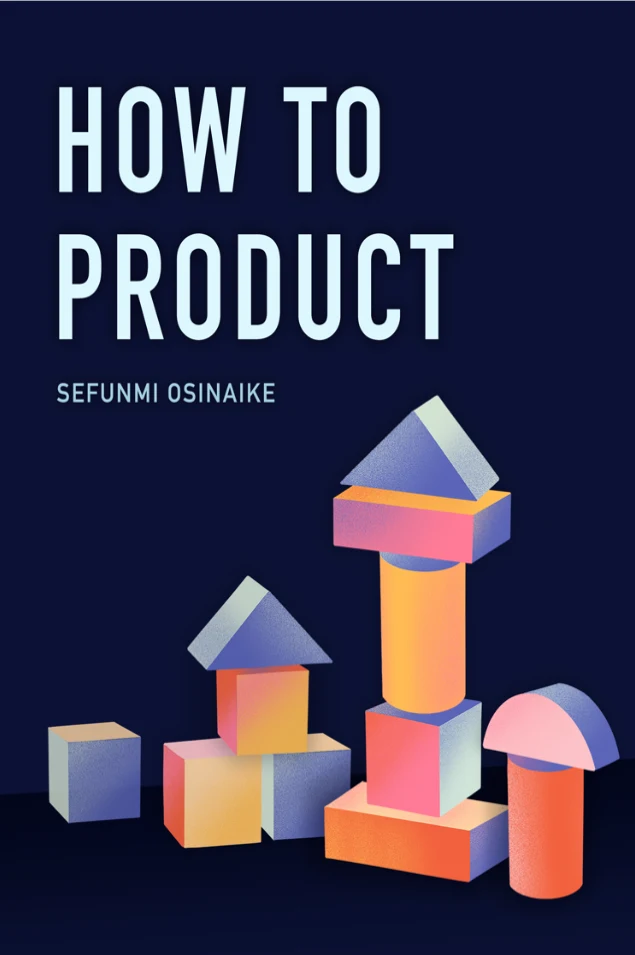
Featured chapter & editing
I shared my journey into product management for a chapter in Sefunmi Osinaike’s guide, alongside the experiences of other product managers.
I also contributed structural and line editing to the book.
Read about the contributionContact
Find me on LinkedIn, or visit TSPC for product consulting.
Personal Projects
Software I build. Publications I’ve helped create.
02 / Content

I create videos and explanations about investing and how markets work, from the underlying mechanics to the tools I use.
Explore contentAlso on
Public figures · · Sources: YouTube / X / Twitter
03 / Writing
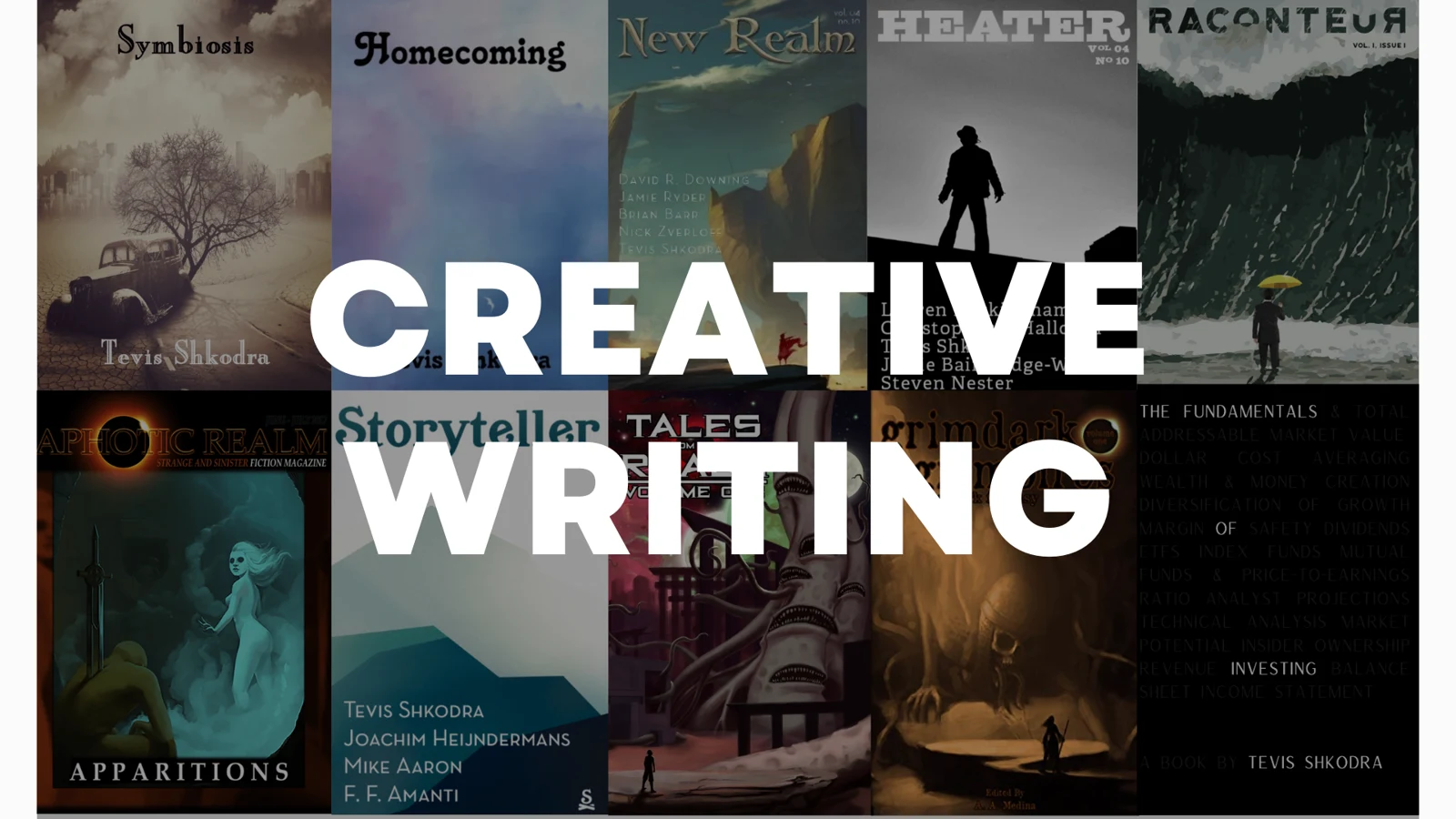
Short stories and a novella in literary magazines and anthologies. Explore the publication history and read selected stories.
Publication history8 short stories and 1 novella in external publications.
04 / Contact
Connect on LinkedIn, or get in touch through Fundamentals of Investing.
Professional Portfolio · Contribution
I shared my journey into product management for a chapter in Sefunmi Osinaike’s guide and contributed structural and line editing.
The full account and images below are preserved from the original portfolio. Launch results refer to the book’s original release.


Landing a job as a Product Manager is difficult, especially without any formal experience. Often, connecting with other Product Managers is a valuable and insightful experience.
Sefunmi Osinaike wrote How To Product as a guide for new Product Managers breaking into the industry. Through researching the various routes individuals break into product from, he found the commonly shared challenges of breaking into Product. He did this with the help of 40 PMs from Google, Shopify, Coursera and various other top companies. I had a chance to sit down with Sefunmi and share my journey into Product so that my experience could be featured as a chapter in this guide.
The book outlines everything from the desire to break into Product, the challenges faced in the transition, tips to inspire new PMs and all the way down to the interview prep required.
In addition to being featured in one of the chapters, Sefunmi also enlisted my editing services (listed under the “writing” tab for a full structural and line-by-line edits.
The book took 16 months to write and within days it was rated #1 in Product Hunt, with an average rating of 5/5.


Raconteur · Historical archive

Raconteur is a literary magazine publishing engaging, interesting, eclectic and witty writing and artwork by international writers and artists, online and in print, 3 times per year.
FULL SUBMISSION GUIDELINES HERE
We are open for submissions year-round.
Readers can order a digital/paperback copy of Vol. I, Issue II by supporting us on Patreon or at Amazon.
Want to check out Issue #1, free? Download it here!
The Raconteur Team:
Tevis Shkodra, Editor-in-Chief
Michael Pietrzak, Editor
Andreea Mihai, Art Director
Genre / Style:
We accept any genre and style, as long as the genre isn't too specific (i.e. it will only appeal to a handful of people). Our main priority is that the story is engaging and memorable. We aren't averse to many subject matters, but anything intentionally offensive or distasteful is unlikely to be accepted. Additionally, work intended for children is not suited to our readership.
Length:
Fiction & Non-Fiction submissions under 2000 words. Poetry under 500 words. We may consider longer entries if they are exceptional
Format:
Please submit your work as an email attachment, preferably in Microsoft Word (.docx) format. Kindly use a common, readable font,12 point.
Simultaneous submissions:
Submitting work that is under consideration elsewhere is absolutely fine but we would appreciate being informed if it is picked up by another publication.
Multiple submissions:
Submissions are limited per person to the following:
1 x short story (under 2000 words)
1 x non-fiction piece (under 2000 words)
1 x poem (under 500 words)
Re-submissions:
Due to the amount of submissions we receive, we cannot accept re-submissions / re-writes of work we have previously rejected unless specifically requested.
Previously published work:
We are unable to consider work that has appeared in other publications.
Rights:
We believe a writer should have full control of their work, so all copyright and publication rights remain with the writer at all times. However, we appreciate exclusive publication rights for three months after the issue has been published to ensure maximum impact.
Location:
We are based in Toronto but gladly receive (and encourage) submissions worldwide.
Payment:
We are a new and independently run magazine. All revenues are reinvested to produce the following issue, but we do believe in providing a small, symbolic payment to recognize your work. As we grow so will our rates. They are currently (in US$):
Fiction & Nonfiction: $10
Poetry: $5
Publication with us also provides you the opportunity to feature and promote your work to the community. We will provide a link to your blog, website, social media, or to the online retailer where your books are for sale. Each of our writers will receive a complimentary e-pub copy of the issue they feature in.
Bio:
Please include a short bio about yourself and your publication history along with your submission. If selected, we will request an additional bio with a specific word count to feature alongside your piece.
Editorial Process:
Selected pieces will be subject to editorial guidance from the Raconteur team, including minor cosmetic edits, and requests to the author for targeted edits. We will work with you through the whole process to ensure both parties come away happy with the final product.
Response times:
We aim to make a decision within 45 days of receiving your piece, but due to the large volume of submissions we receive we are unable to respond to everyone. If you do not receive a response within 60 days, please know that we read your piece carefully but decided it wasn't a fit for this issue.
Timelines:
Submissions are currently OPEN and we intend to publish Issue #3 in late 2019.
Once you have thoroughly read and agreed to the submissions guidelines, please send your work to submissions@raconteurmag.com.
Please do not expect a response if you fail to carefully follow the guidelines.
*** By submitting your work you agree to our Terms of Service
Please send all artwork to submissions@raconteurmag.com. Please use “ARTWORK - your name” in the subject line of the email. In the body of the email, please highlight a brief bio about yourself.
If you have an Art Station, Deviant Art, Tumble, Instagram, or website portfolio, please provide us with a list so we may visit your work.
If you do not have an online portfolio, you may send us your work directly. However, please ensure artwork is sent as a .PDF file. Any attachment of a different file type will be deleted.
You must own all the right to all work you send.
Some tips:
Color artwork is preferred. Although we won’t discredit amazing Black & White pieces, color is preferred.
Author names and our header will appear on all finished covers. If your art contains crucial elements that appear in these locations (header/footer), it will not work for us. If we're very enthusiastic about a piece that suffers from this problem, we may ask if you'd be willing to make changes.
Landscape artwork is preferred but not required. Since we use landscape art as wrap-around covers for the print edition, it should be able to stand alone when only the right half is visible.
Artwork must be available in a 300dpi .tif. Landscape covers measure 11" wide by 8.5" high. (Portrait 5.5" wide by 8.5 high.) Artwork for covers must include a 1/4" bleed. Do not crop your own artwork if it goes outside these margins.
Artwork must not suffer when resized. This sounds funny, but since we are using the cover on the website and on the print edition, we are working with very different dimensions and need pieces that work at several sizes. If your amazingly cool image looks muddy at 250 pixels high, it won't work for us.
We will not consider artwork that has been previously used for magazine or book cover. We reserve the right to make exceptions, but they will be rare and by-invitation.
We prefer 2D art. Digital or traditional painting. Photography and photo-realistic styles are not typically used for our covers.
Once you have read and agreed to the submissions guidelines, please send your work to submissions@raconteurmag.com.
*** By submitting your work you agree to our Terms of Service
Personal Projects
Software I build. Publications I’ve helped create.
Apps & Ventures
An independent literary magazine built to give emerging writers a place to publish, pairing short fiction with original illustration. I co-founded Raconteur with Michael Pietrzak and served as editor-in-chief.

A retrospective based on the original portfolio’s Raconteur story and archive.
01 / Background
Michael and I met at a So You Want To Write pub night. The community already brought writers together through workshops, critique and conversations with literary agents. A year later, we started Raconteur to give that work a publishing platform.
The aim was to connect the steps between an aspiring writer and a published author: a community to develop with, editorial support, and a place to share the finished work.
02 / The team
We found our first volunteers through the community’s mailing list. The team grew from two co-founders into a group of readers, editors, illustrators and designers, with marketing, partnerships, web and social roles added as the magazine developed.
As editor-in-chief, I brought a product-management approach to the work: a shared submission pipeline, clear review steps and a coordinated publication schedule.
Editor-In-Chief
Deputy Editor
Art Director
Andreea Mihai
Illustrators
Cinzia Piazza
Daniel Garcia
Daria Kirpach
Felix Sorau
Giulia Neri
Gundersons
Hi Clementine
Marianna Tomaselli
Roberto Cigna
Tevis Shkodra
Executive Team
Erin Grey
Brad Cotton
Emily Potter
Associate Editors
Kiernan Antares
Mary Jo Garrido
Readers
Anna Lindwasser
Brian Whitmore
Cheryl Rivers
Cliff Aliperti
Emily Potter
Glenda West
Hannah Bowles
H.E. Casson
Hibah Shabkhez
Julia Zingel
Karina Kaushal
Kayla Kurin
Kiernan Antares
Mariya Khan
Mary Jo Garrido
Mir Yashar Seyedbagheri
Sarah Bradley
Sarah McDonald
Stephanie Pressman
03 / The process
The first issue received around 100 submissions and published seven pieces. The second received close to 300 and published eight. By the third issue, the queue had grown to more than 500 submissions.
We automated incoming submissions from Gmail into a custom Kanban board. Each piece needed at least three readers, a rating from one to five, and discussion before the strongest work was ranked for acceptance. Token payments for writers began with the second issue, supported by sales, Patreon and partnerships.
View the historical submission guidelines
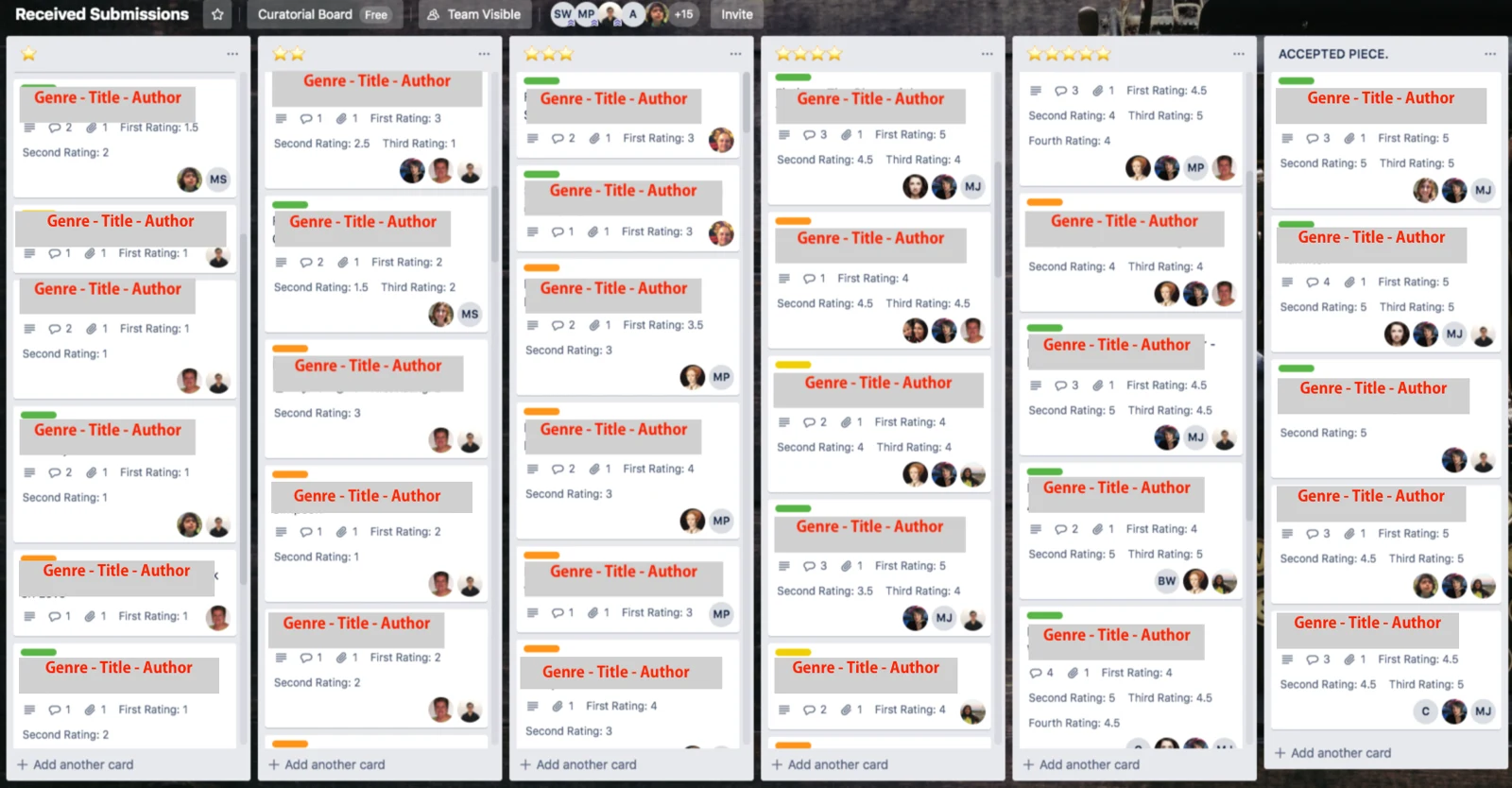
Around six weeks of reading, ratings and discussion to select the issue’s work.
Two weeks working with authors on edits while the art director sourced accompanying illustrations.
The completed book block became the basis for print and digital editions, with roughly a month for formatting and physical proofs.
A two-week promotion period and an issue launch party brought the work back to the community.

04 / The archive
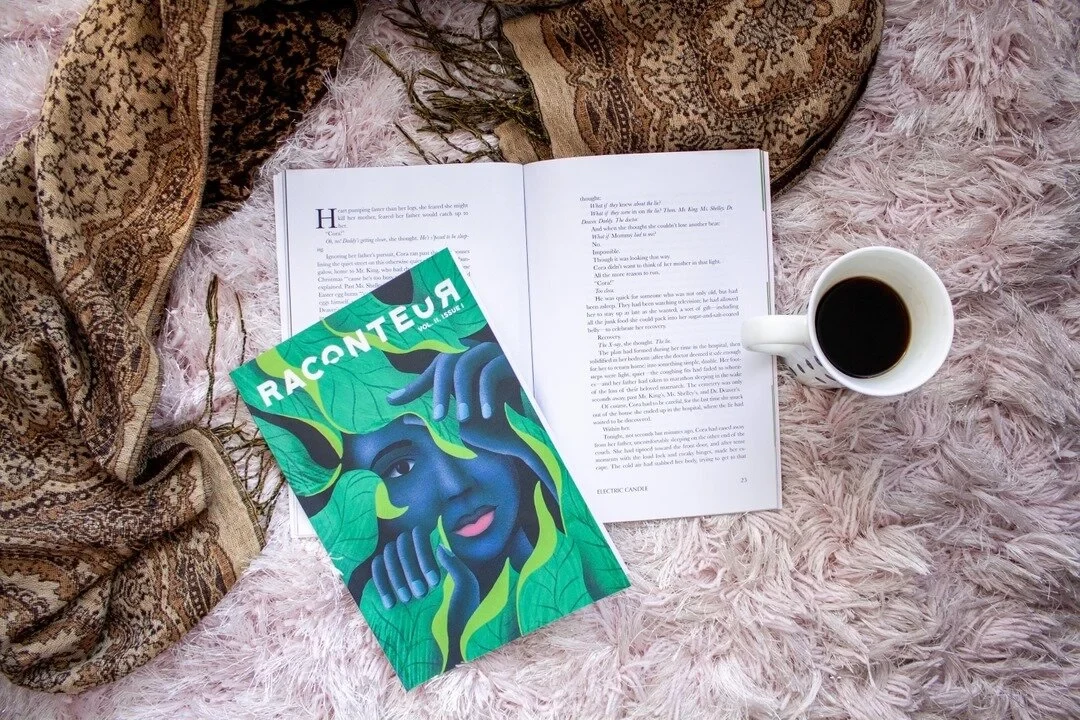
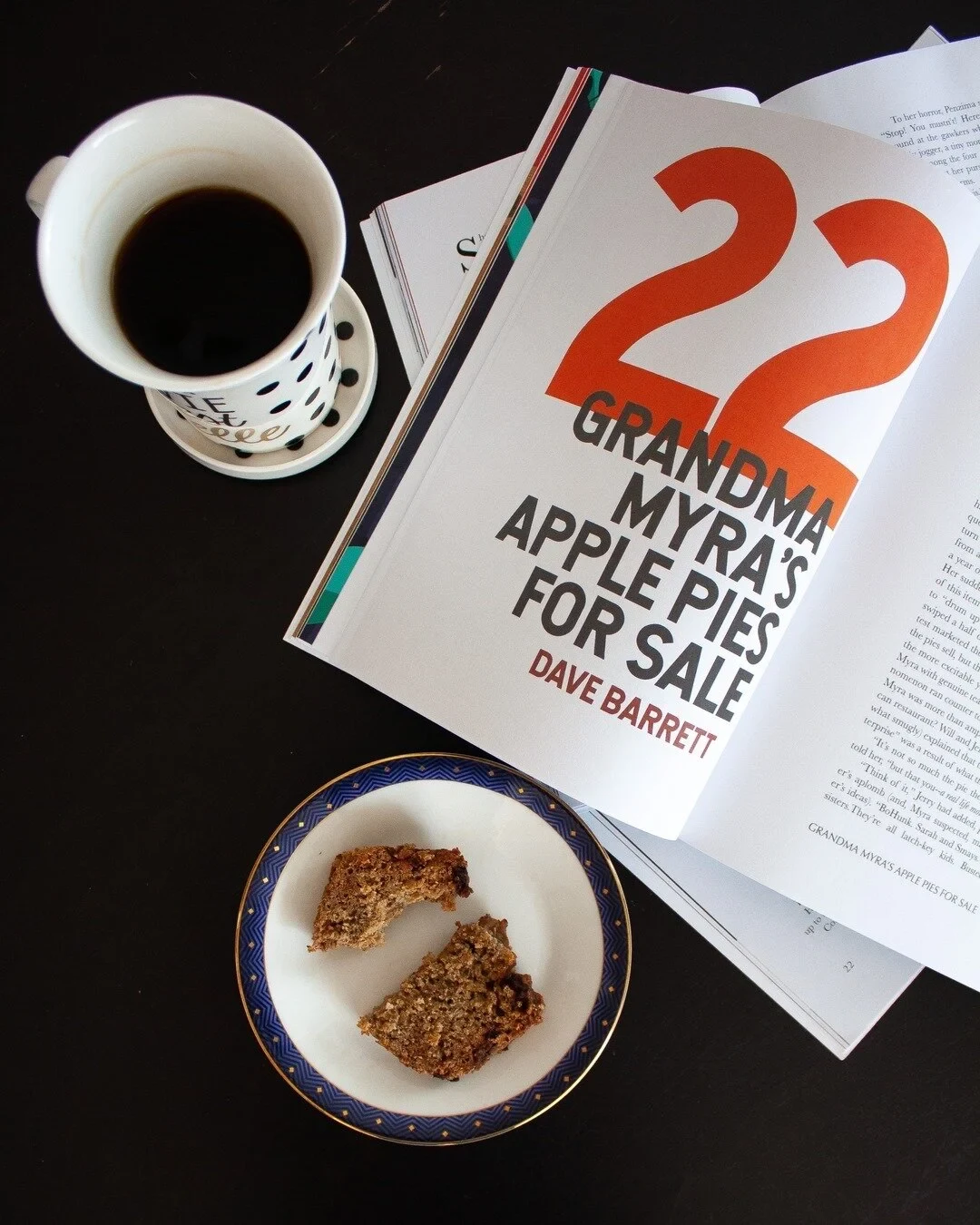
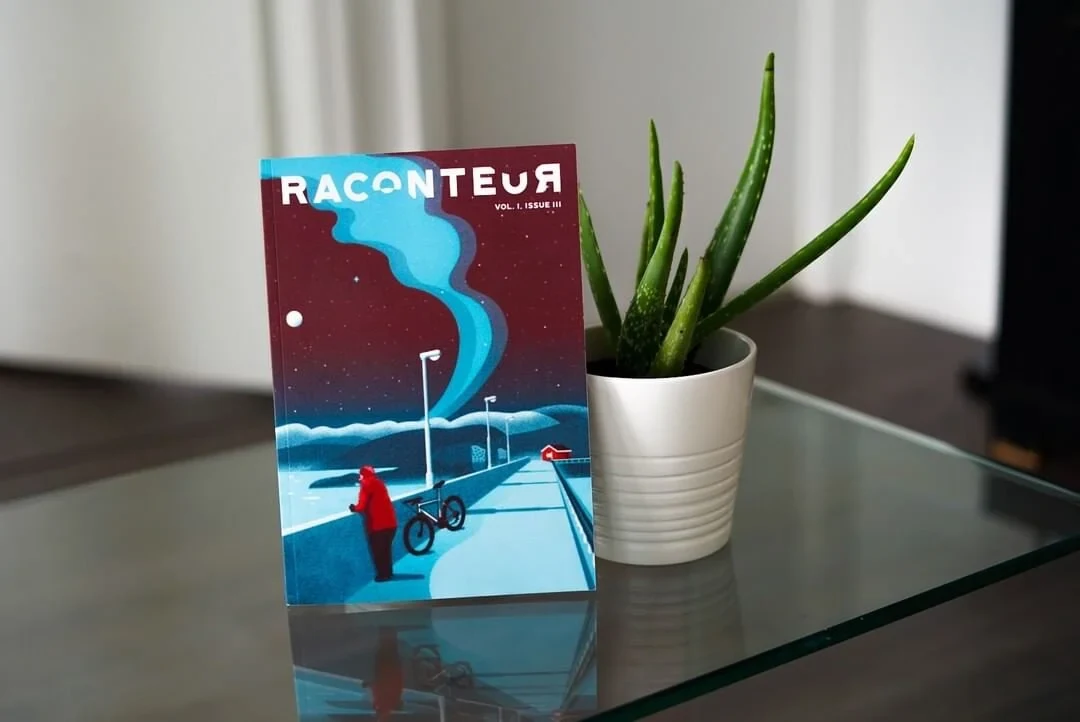
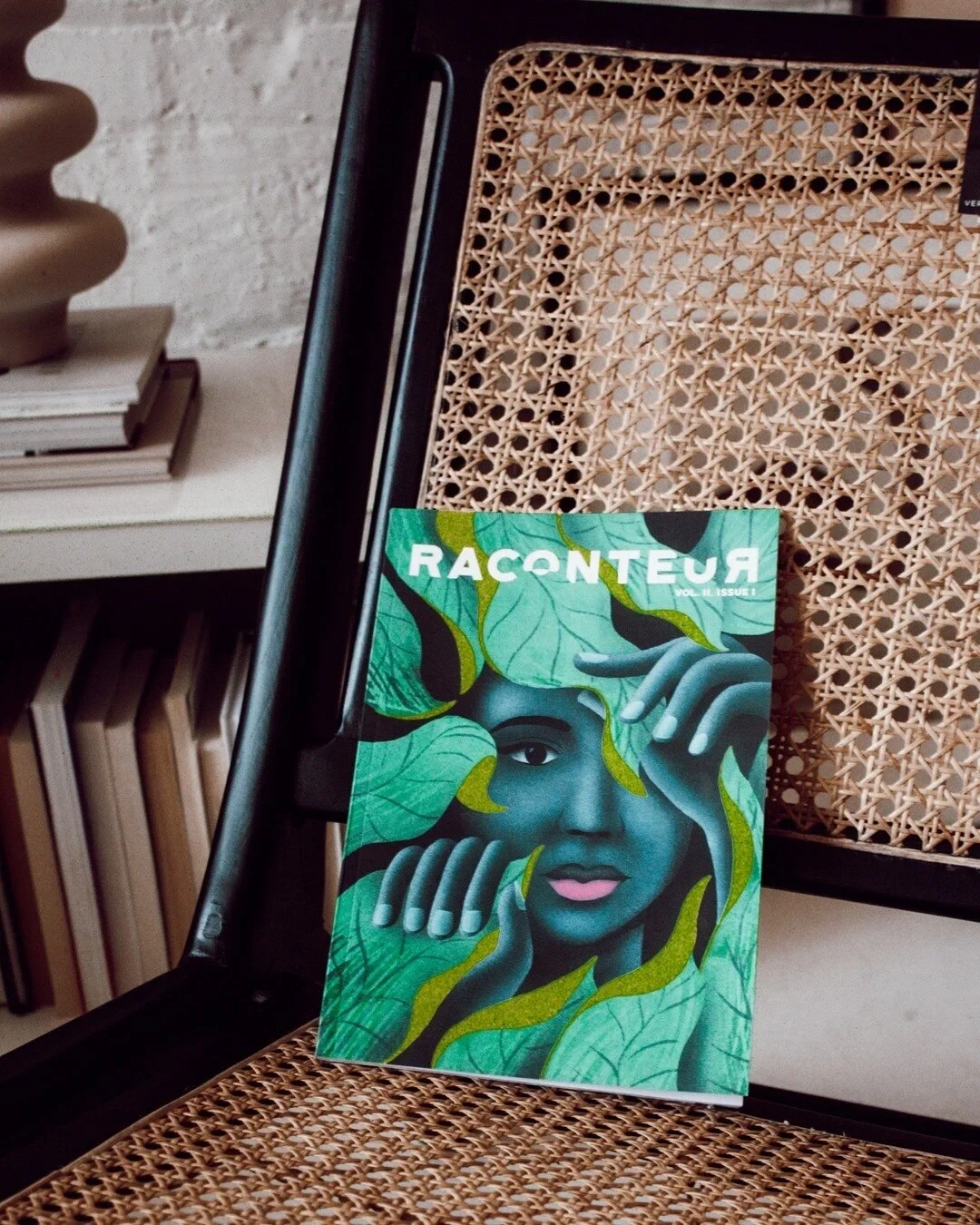
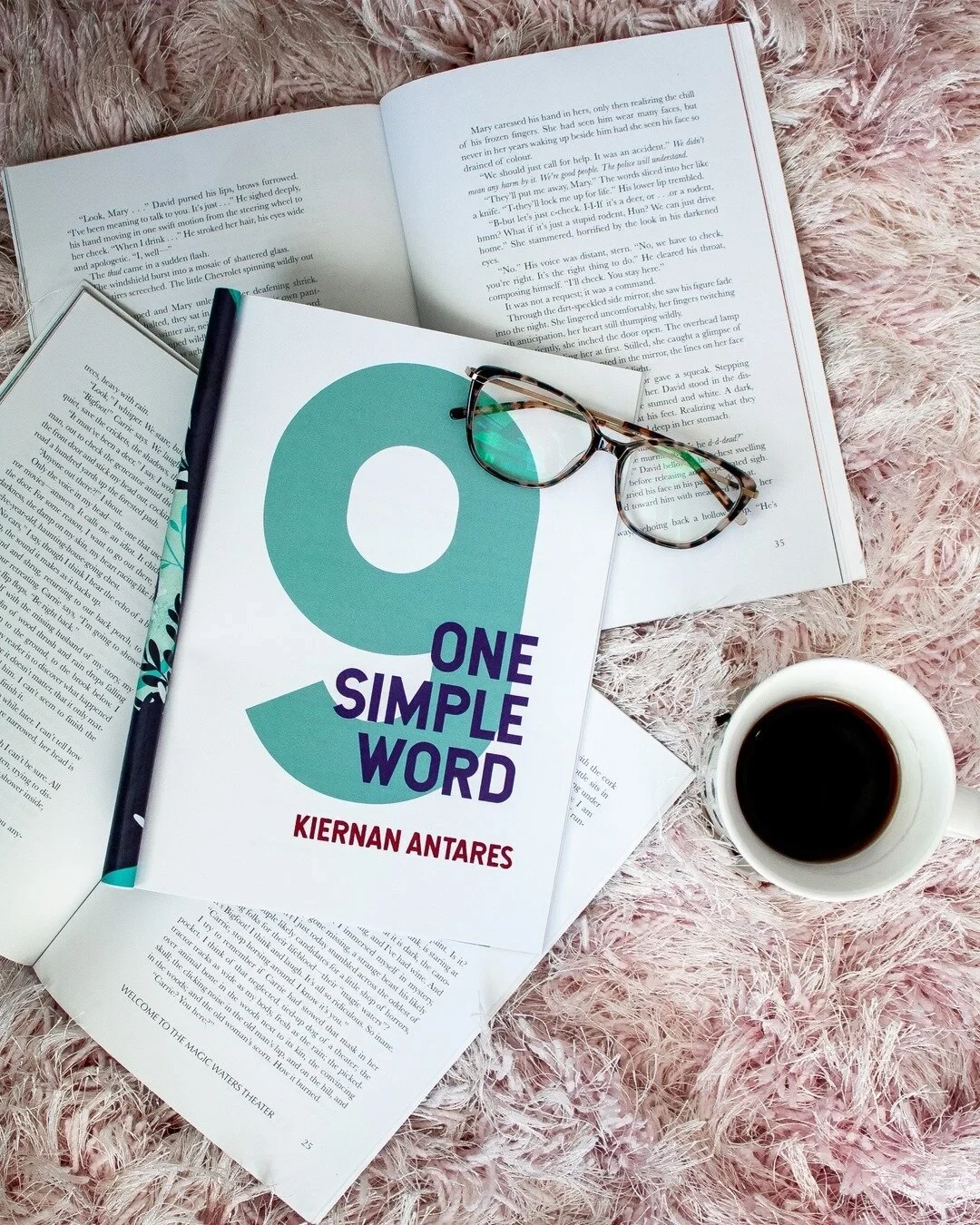
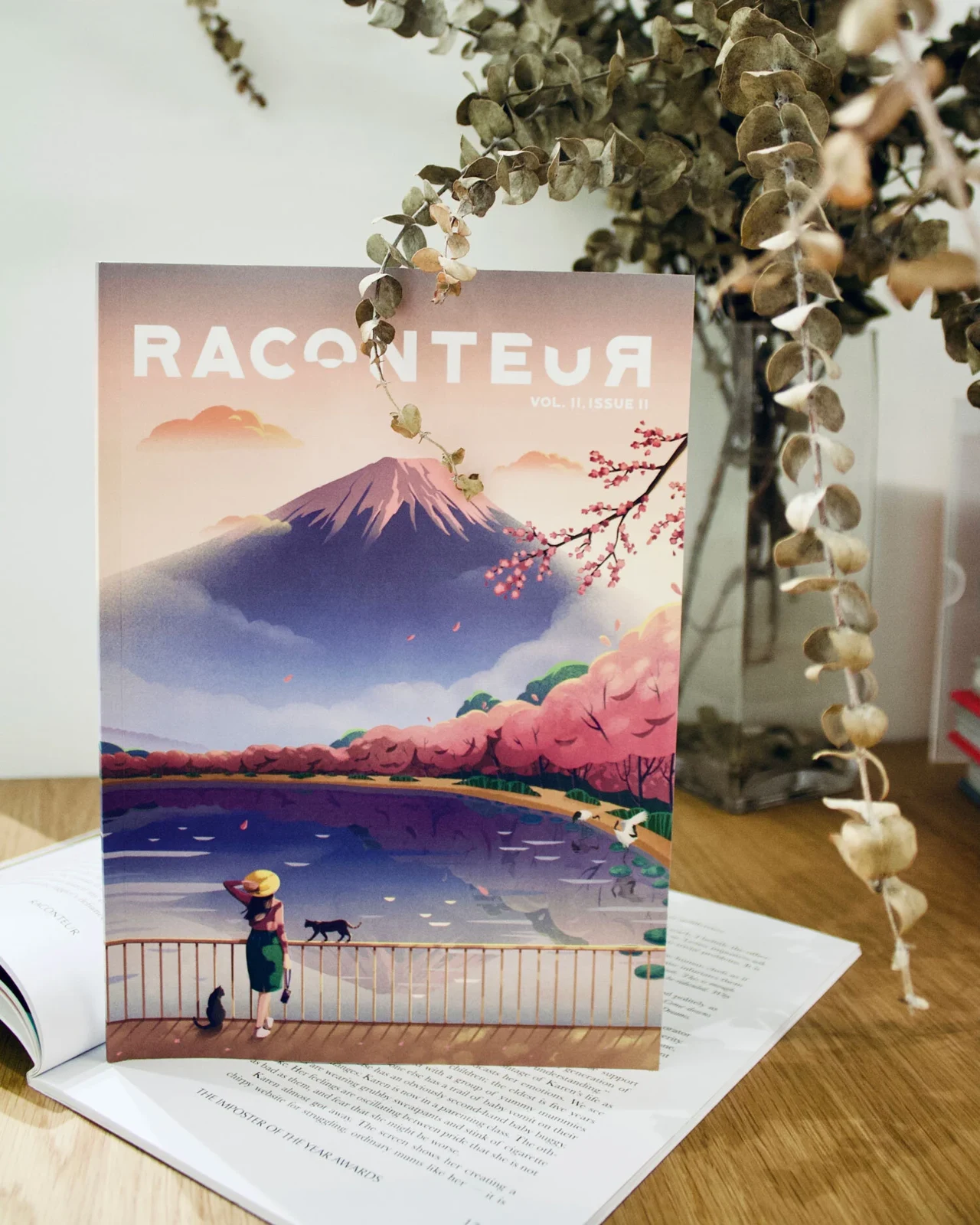
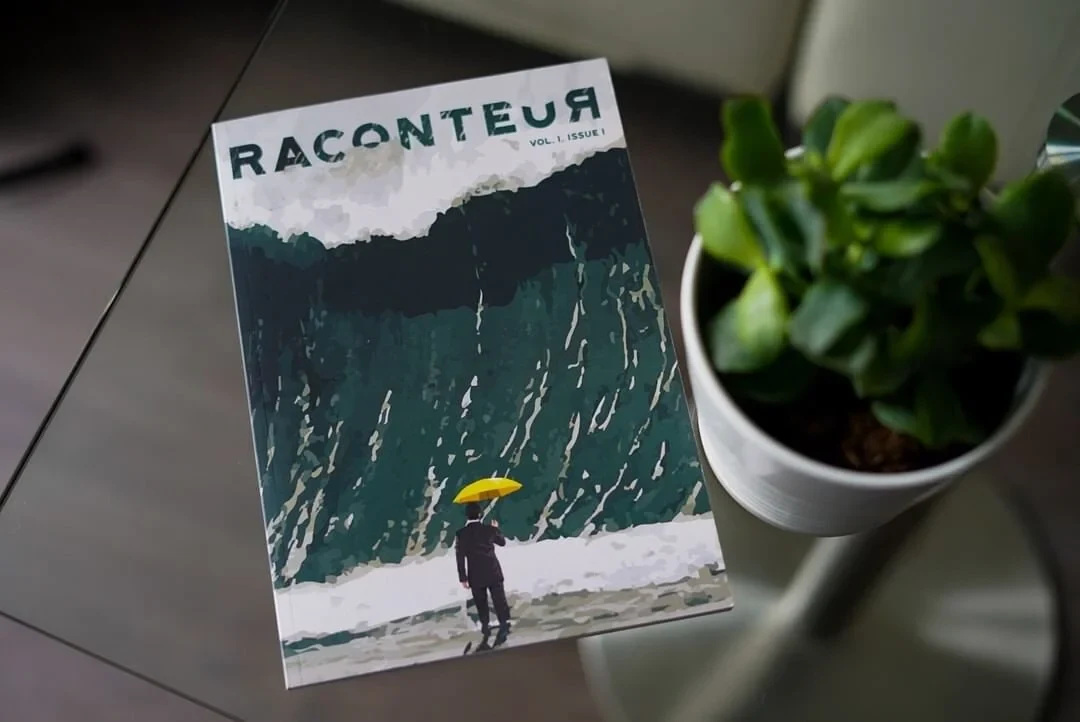
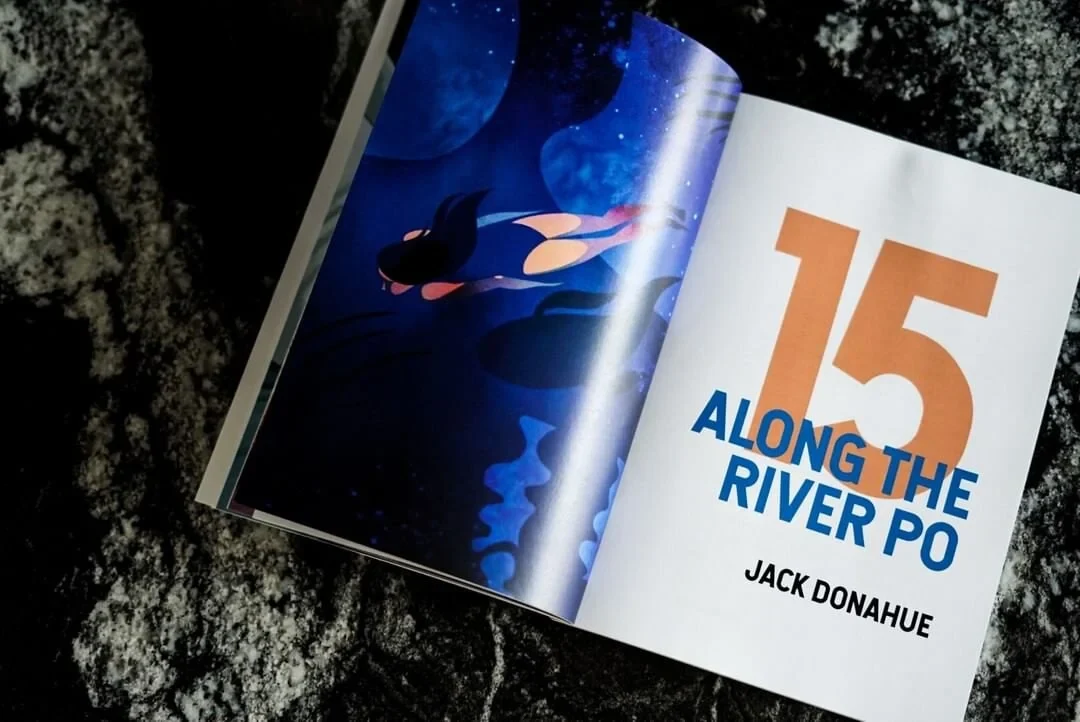
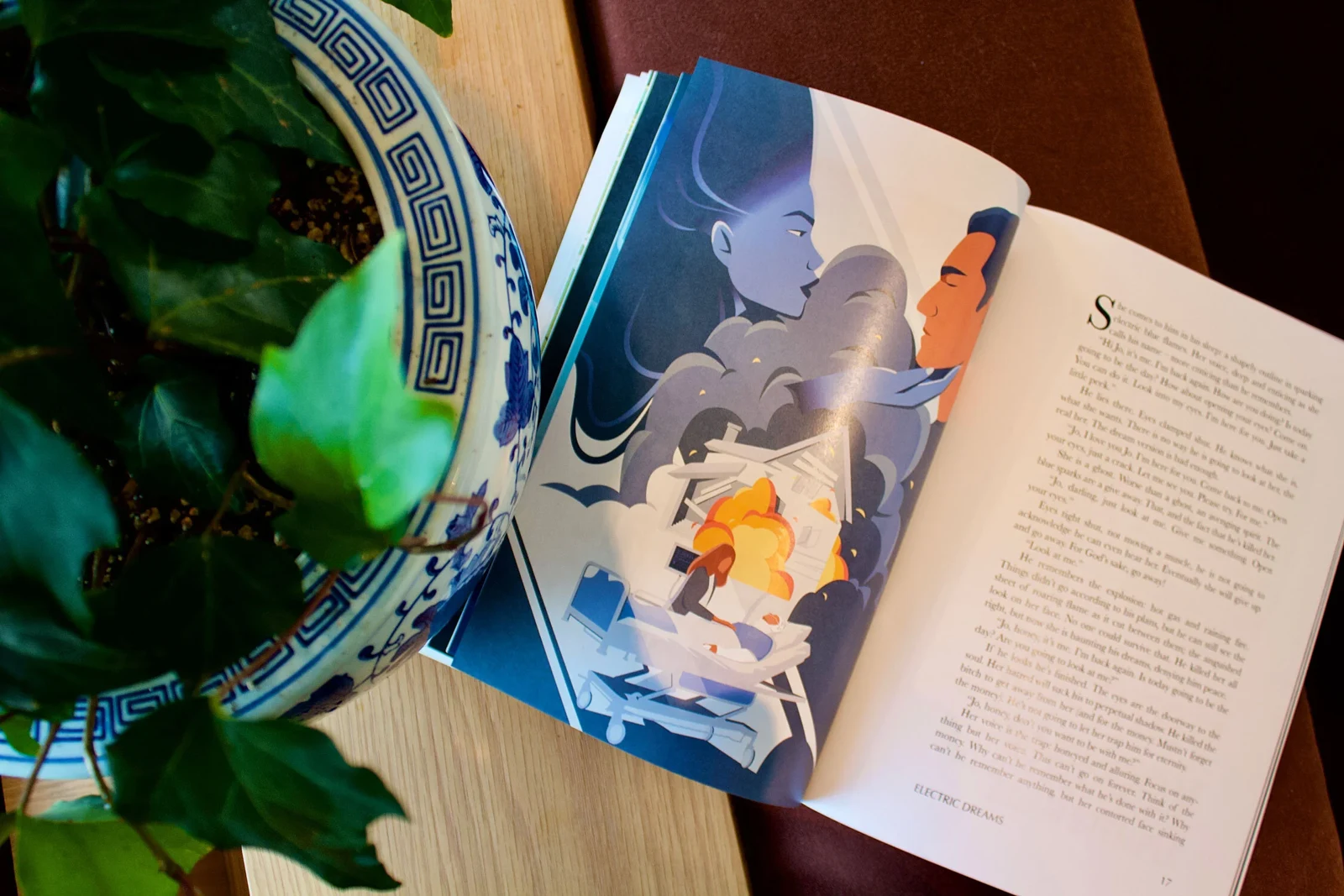
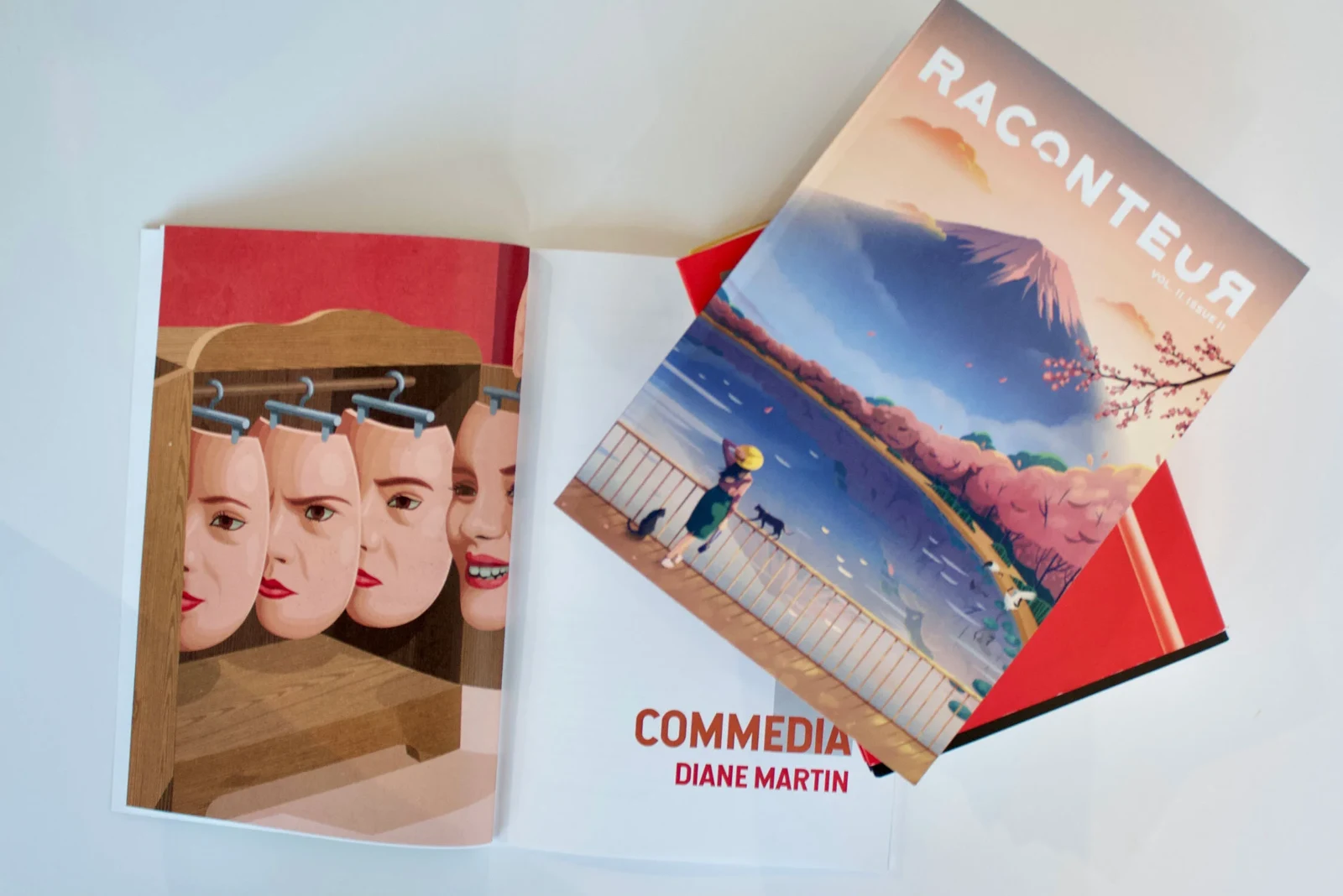
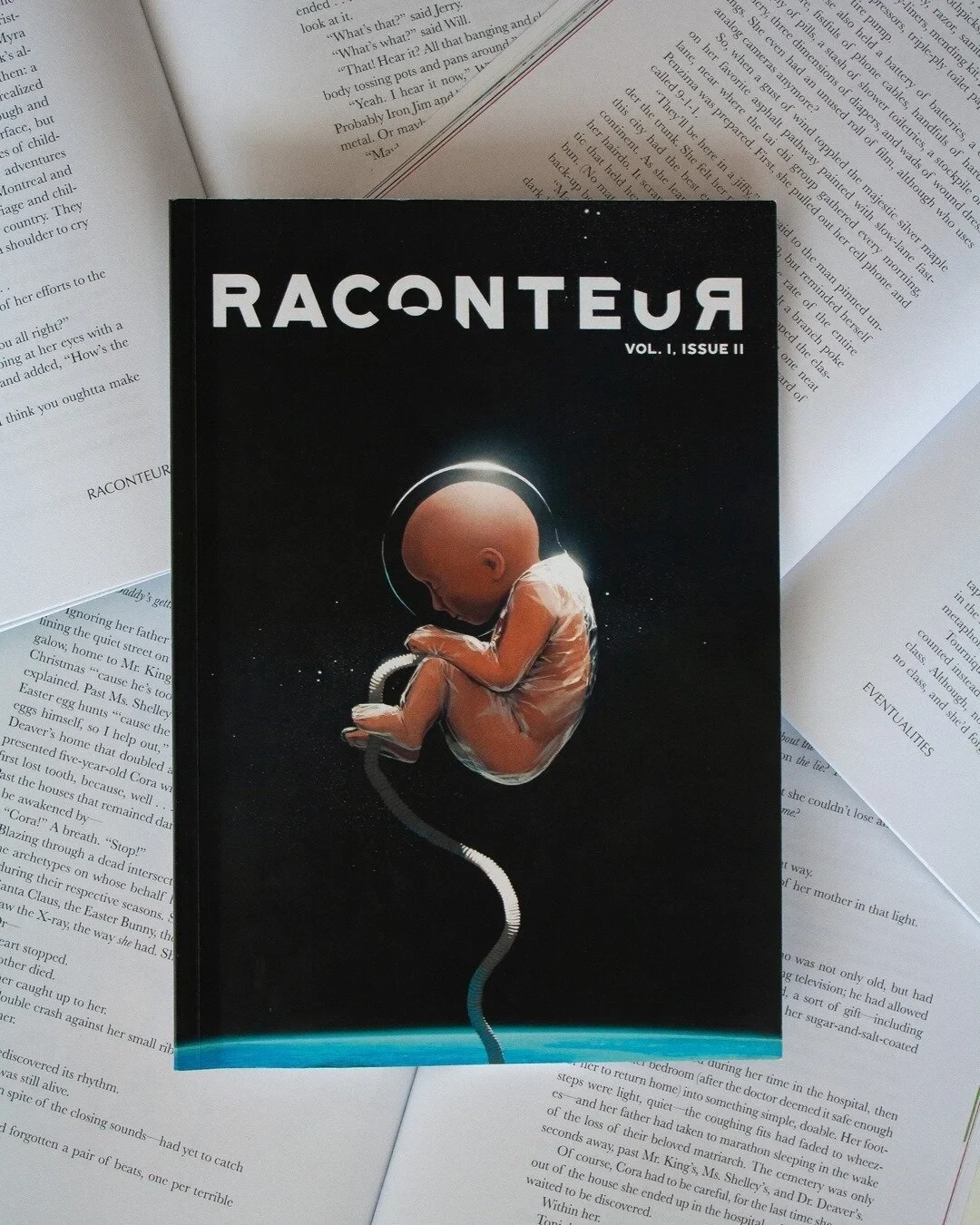
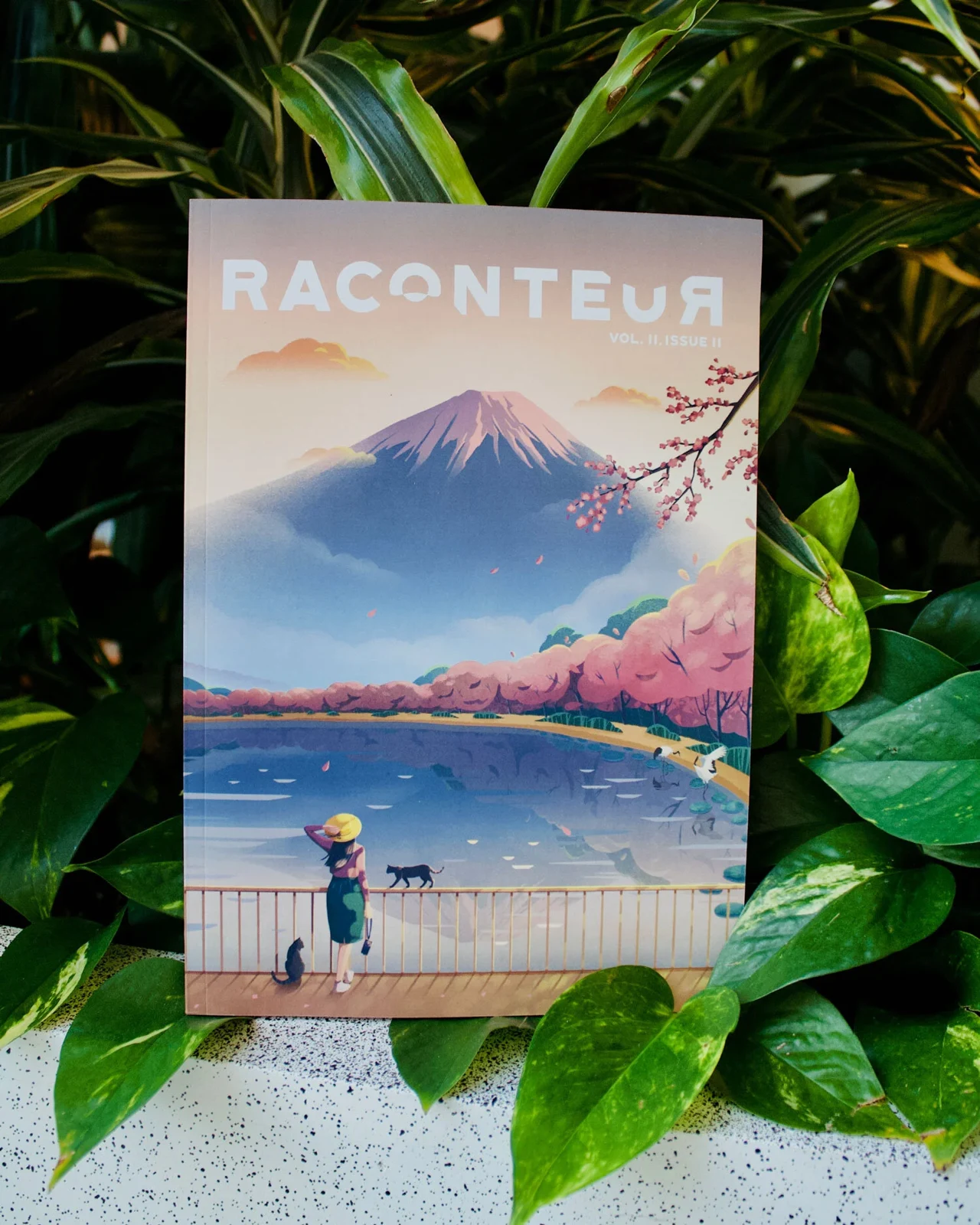
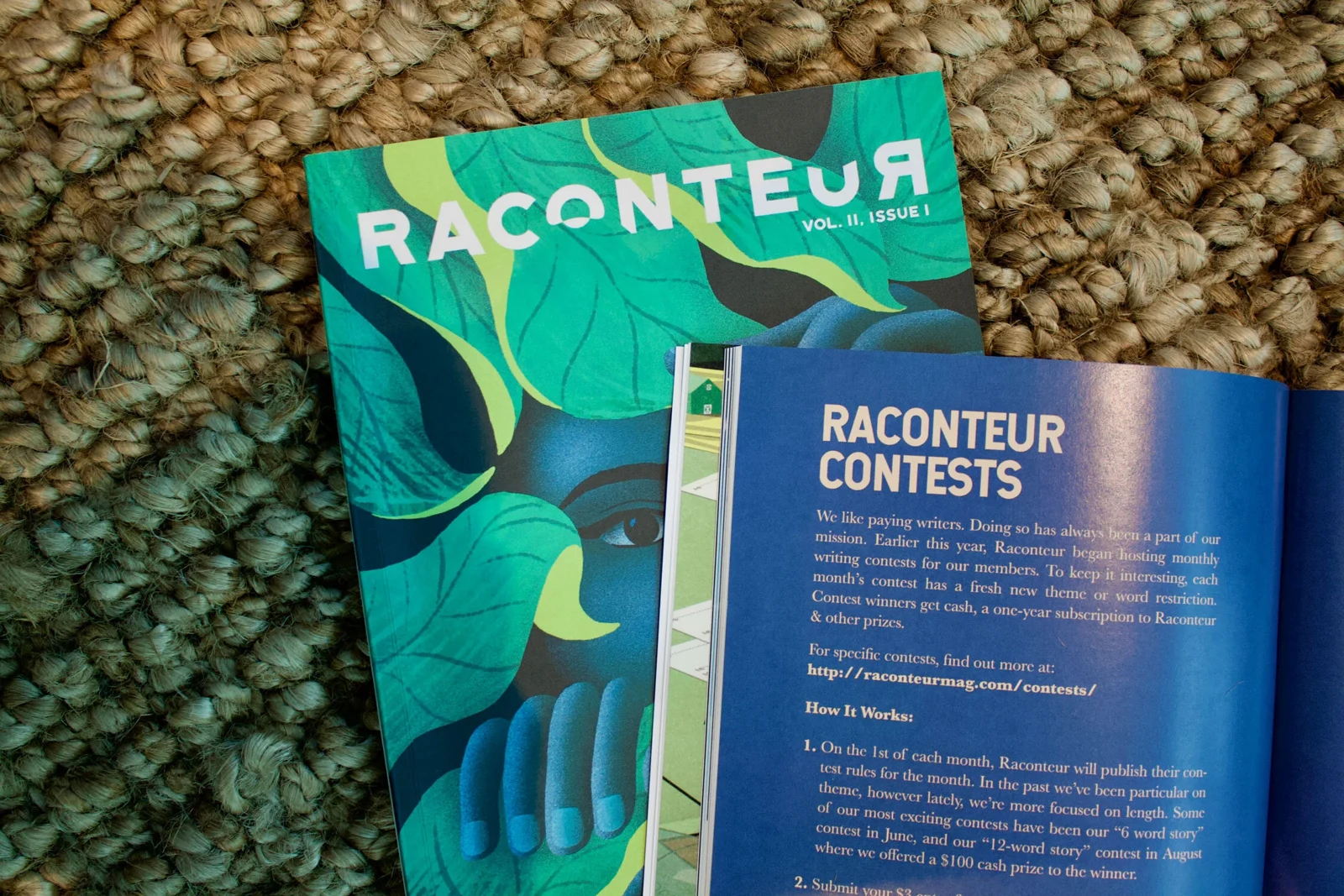
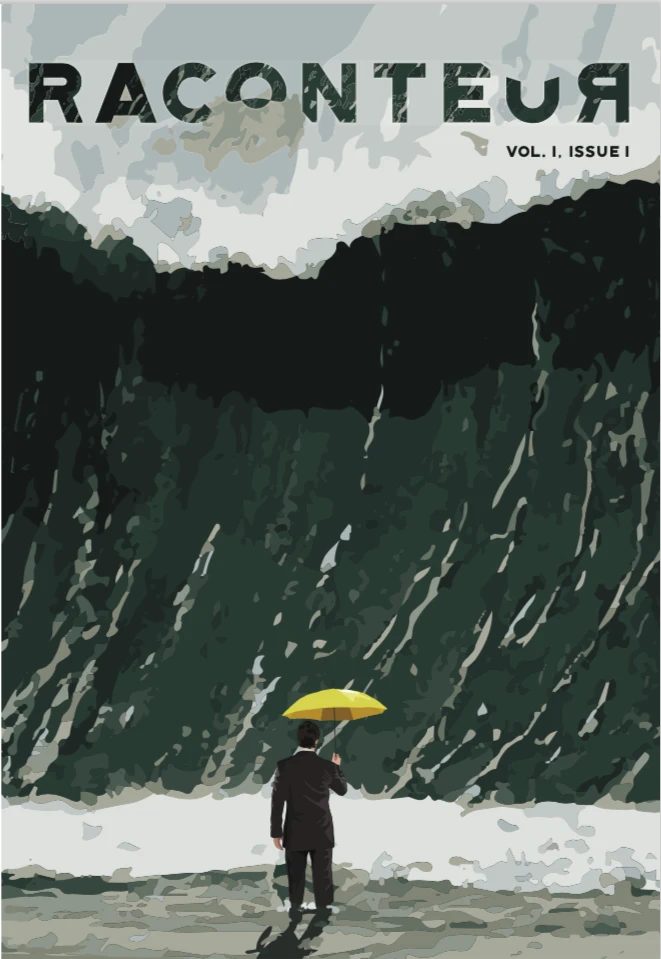
The cover archive from the original site. Open a cover for a closer look.
05 / Illustration
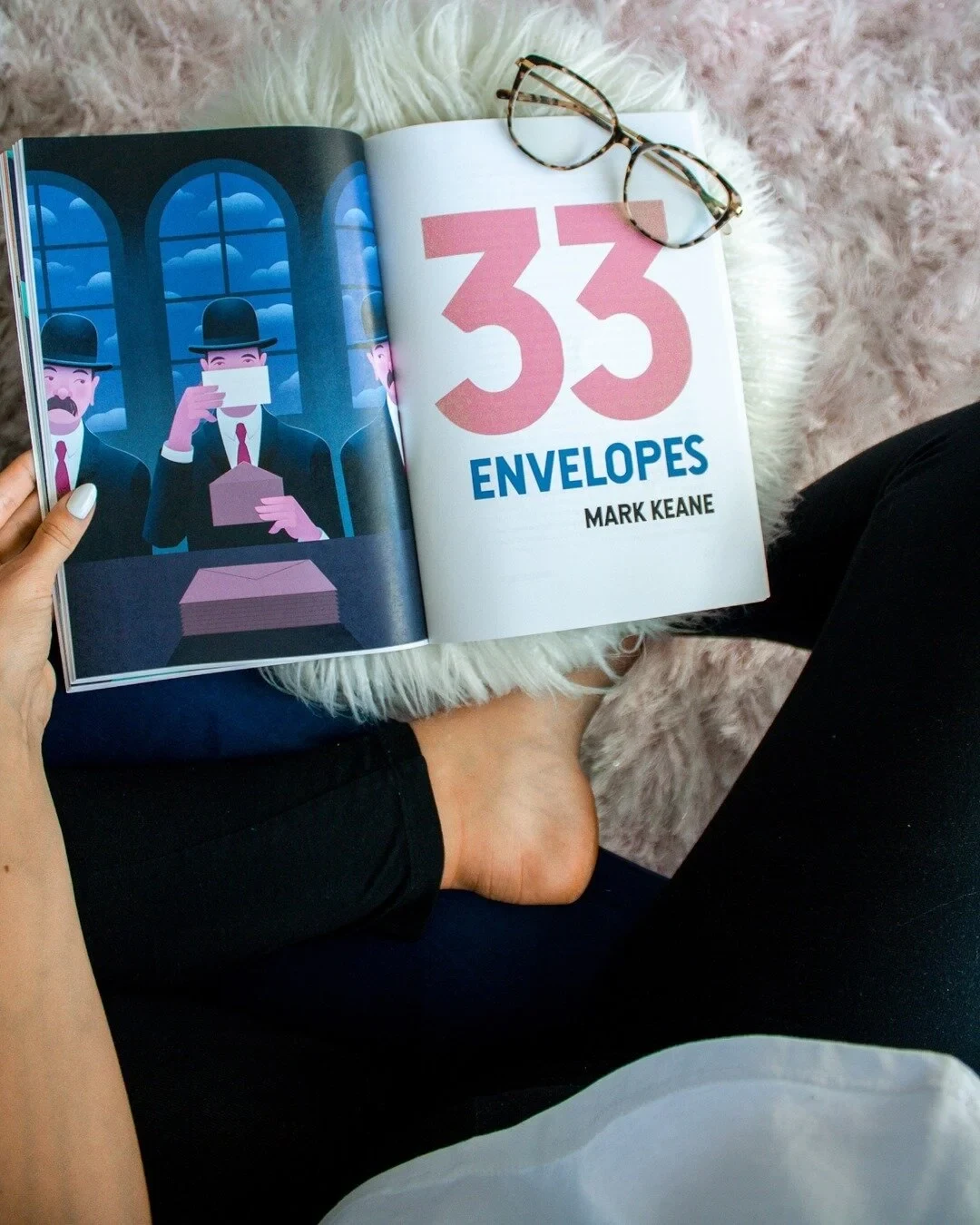
Artwork preserved from the original magazine portfolio.
Apps & Ventures
A desktop journal for the wheel strategy and a monthly net-worth ledger. I built it to replace the spreadsheets I was using to track my own investing.

01 / The foundation
Record puts, assignments and covered calls together. Share purchases, sales, cash movements and premium stay connected to the position, with a preview before changes are saved.
Positions, balances and trading history live in a local SQLite file. The journal needs no account or cloud sync; market-data requests look up prices without uploading the book.
Record a balance and a deposit for each account, each month. The net-worth ledger separates money added from investment growth, and accepts existing spreadsheet history.
02 / Reporting
Reports distinguish premium collected from premium kept after closing or rolling a position. Breakdowns by ticker, strategy, account and month make the difference visible, with income measured over elapsed time.

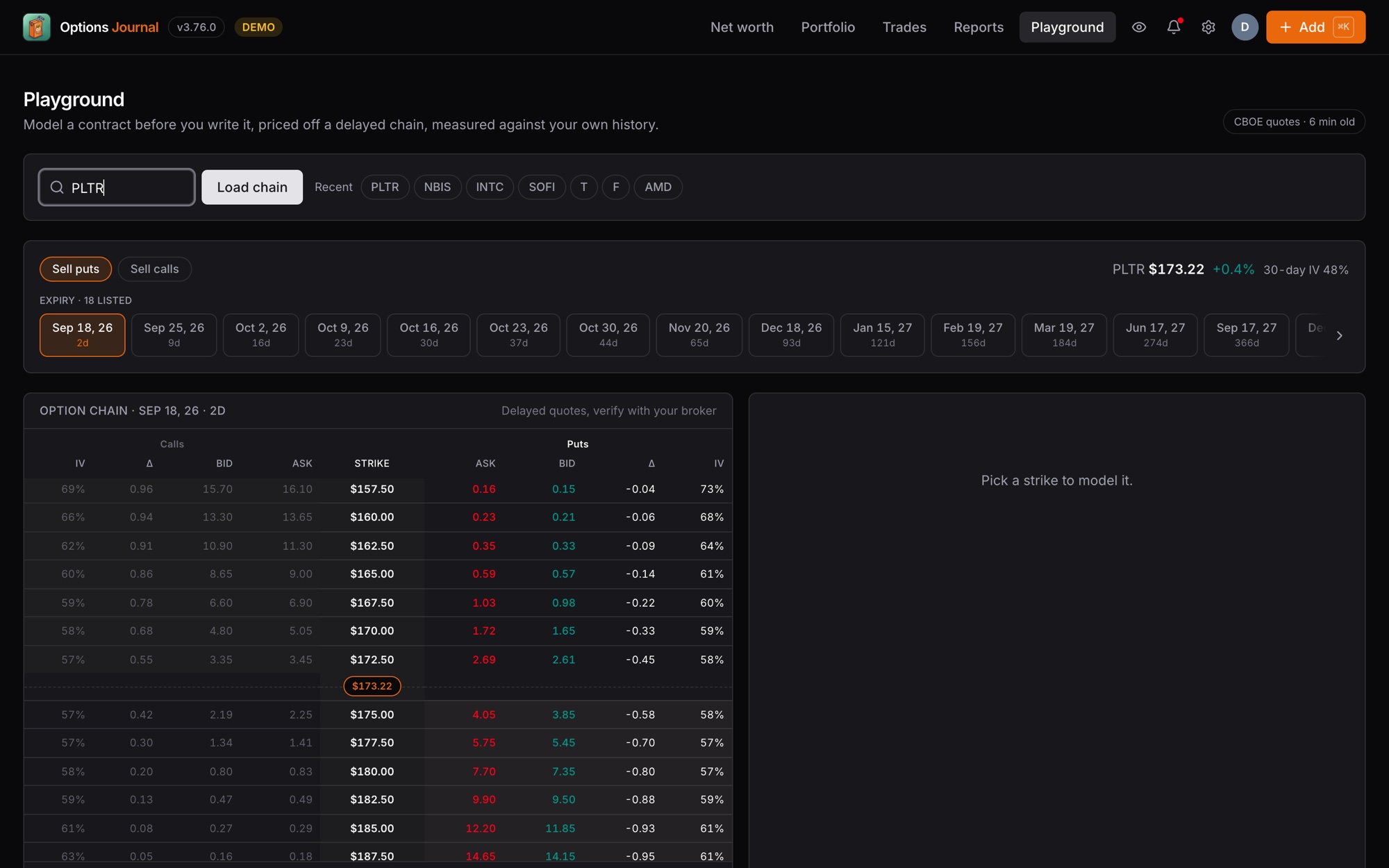
03 / The playground
Explore a delayed option chain and compare strikes, collateral, breakeven and potential return. The playground uses the same calculations as the journal and puts previous trades at similar deltas alongside the model.
04 / Everyday use
Hide position-size figures before sharing a screen or recording a video.
Bring existing trades into the journal with a CSV template.
Move the book in a single backup file, with checks before replacing existing data.
Keep cash, fees and margin separate by account, or view portfolios together.
Sort open positions by a combined view of distance to the strike and time remaining.
View delayed option chains without a market-data account. Share-price lookups use a free API key.
Options Journal
Get Options Journal through Fundamentals of Investing, where I maintain its releases and installation instructions.
Availability · October 1, 2026
The FOI download page currently lists a private beta, with no public build available yet. Visit it for the latest availability and how to request access.
Continue to FOIOpens the download page on funofinvesting.com.
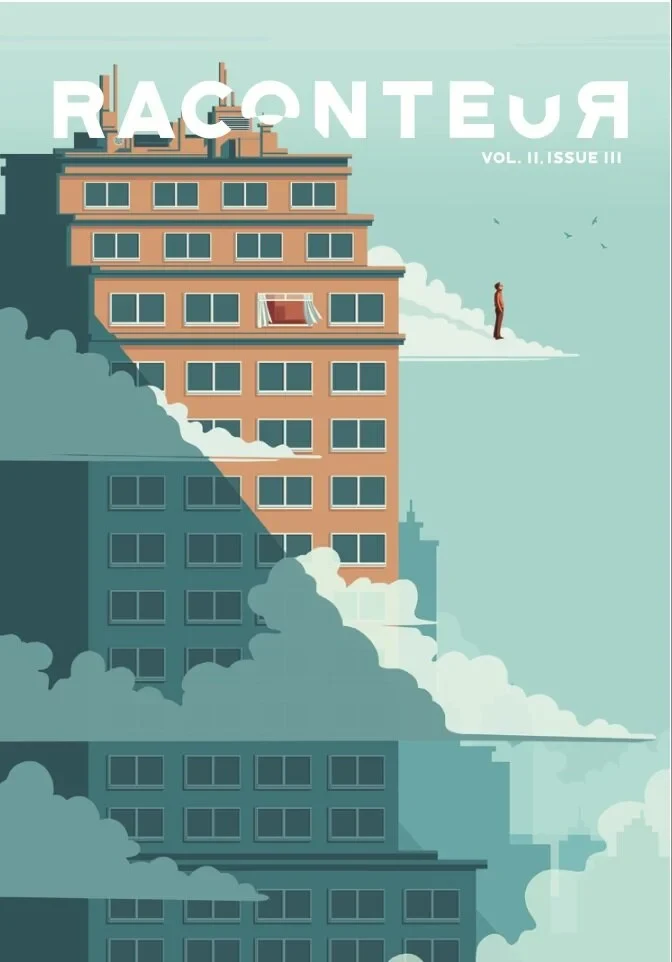
Raconteur · Cover archive
Raconteur · Cover archive
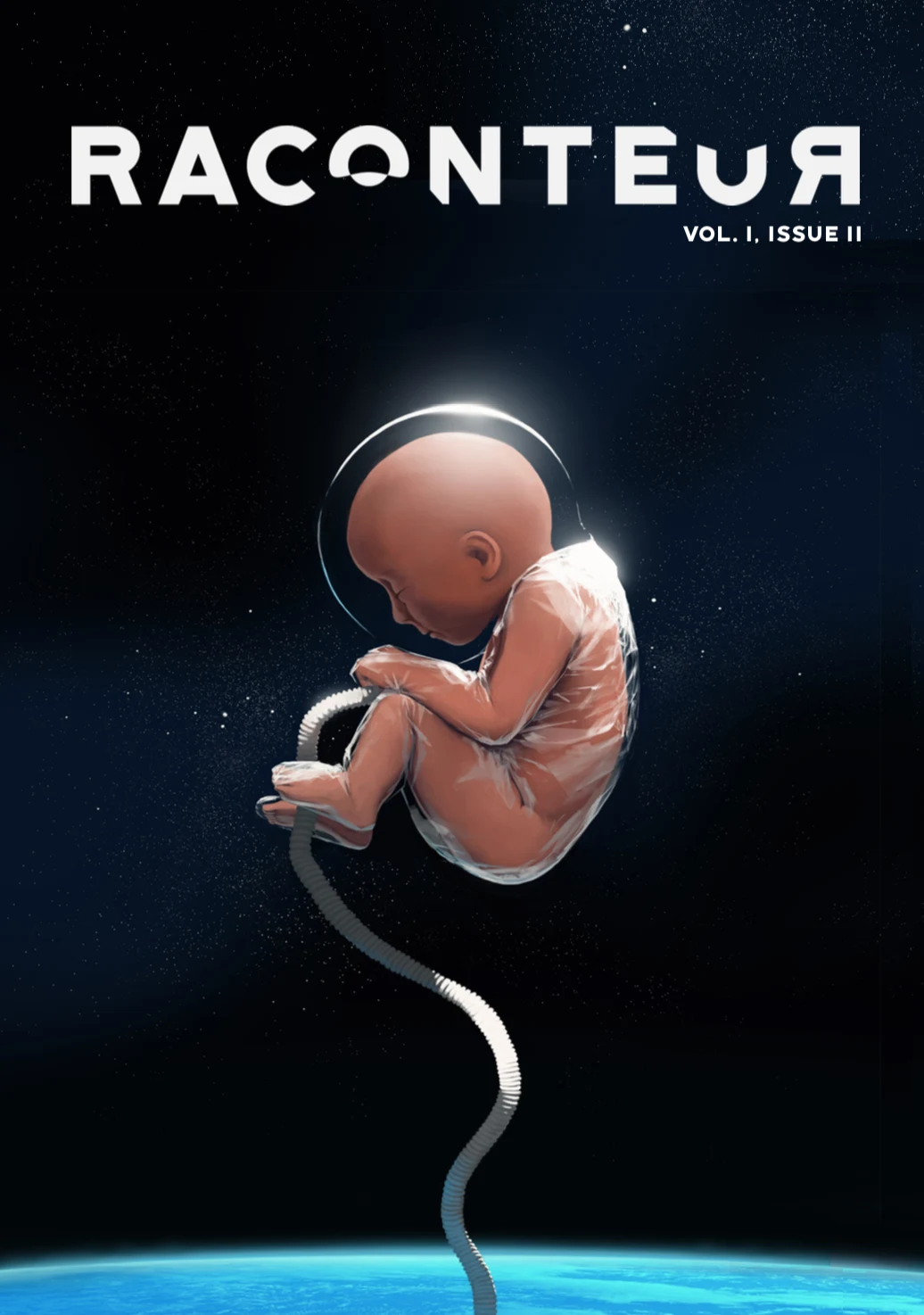
Raconteur · Cover archive
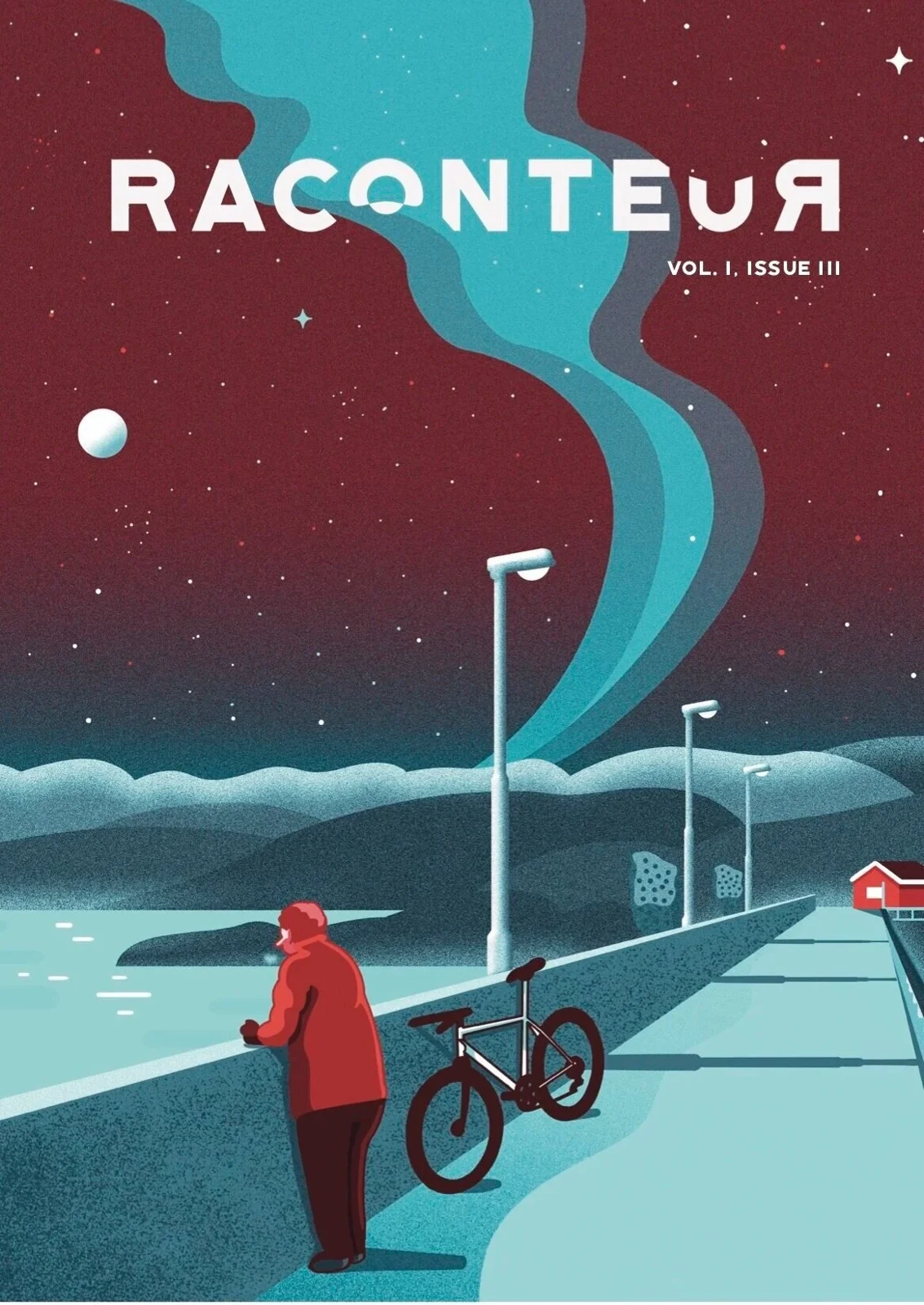
Raconteur · Cover archive
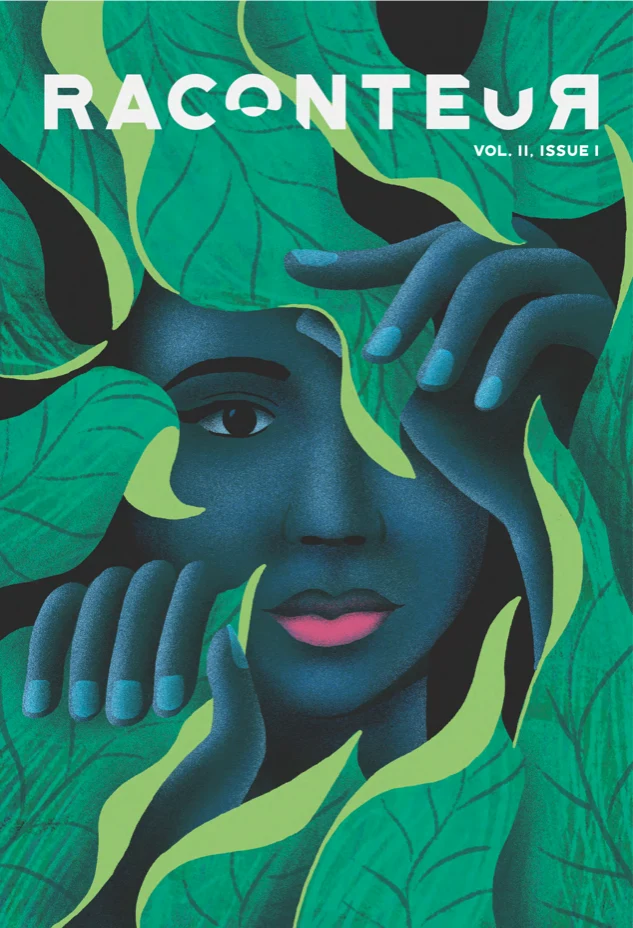
Raconteur · Cover archive
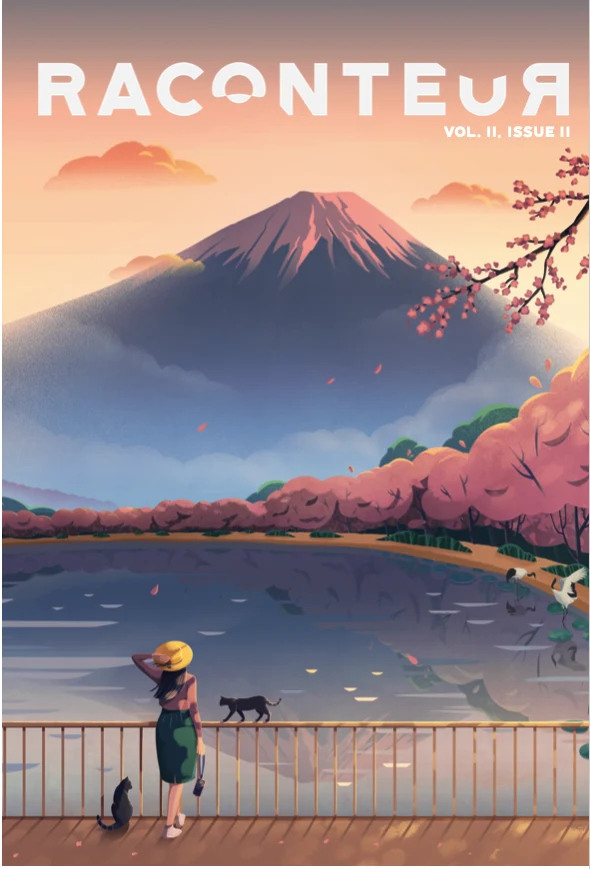
Raconteur · Cover archive
Content
An independent investing channel, shaped by my own portfolio and my background in building software products.
Also on
Public figures · · Sources: YouTube / X / Twitter
01 / The beginning
I started investing in late 2017. In March 2020, as markets were falling, I began sharing what I was doing with my own portfolio. That became an ongoing record of how I think about businesses, technology and long-term investing.
My background in software product management shapes the questions I ask: does the product keep people coming back, what protects the business, how much room does it have to grow, and can the team deliver?
02 / The approach
Look at the product, its competitive position and the team behind it. Connect company decisions to the experience of actually building and using software.
Talk through the assumptions behind a view, including the models behind the numbers. Revisit ideas openly when the picture changes or I get something wrong.
Use my own investing experience to explain the mechanics. The content is educational; sharing a position is not a recommendation to buy it.
03 / The work
Long-form videos on technology businesses, earnings and investment theses.
Amazon: a business and investment thesisMarket discussions and longer conversations with other investors and creators.
Late Night Wednesday Stocks & ChillA series with Tannor where guests pitch companies and we question the thesis together.
The Stock Tank series04 / Building alongside the channel
The same investing practice led to software. Options Journal began as a replacement for a spreadsheet I used to track the wheel strategy, alongside a monthly net-worth ledger I had kept since 2017.
It was built for my own use first. The app keeps the journal on the user’s computer and records decisions and trades, rather than telling someone what to do next. Fundamentals of Investing now brings that software and the channel together.
Explore Options JournalShort fiction · 2015–2022
Fiction in magazines and anthologies, from most recent to earliest.
8 short stories and 1 novella in external publications.
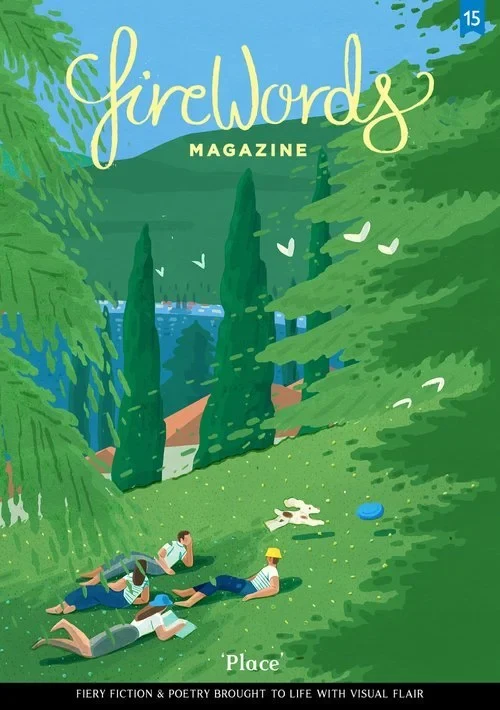
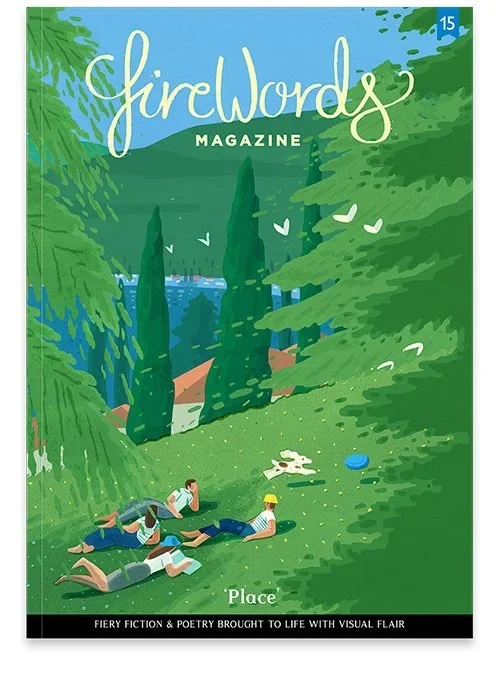
Featuring in Firewords Magazine Issue 15: ‘Place’, With the theme of unique and compelling places.
Fireworks follows the story of a young boy forced to live with his grandmother as a safety measure during a wider county conflict.
August 2022
Buy Firewords Magazine Issue 15 here
Read Fireworks free here
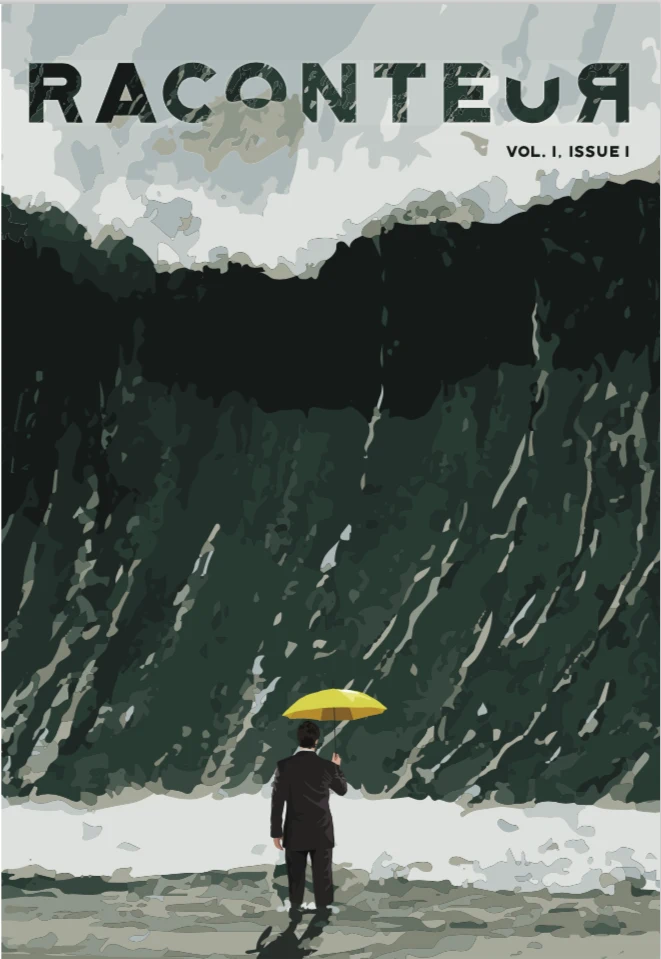
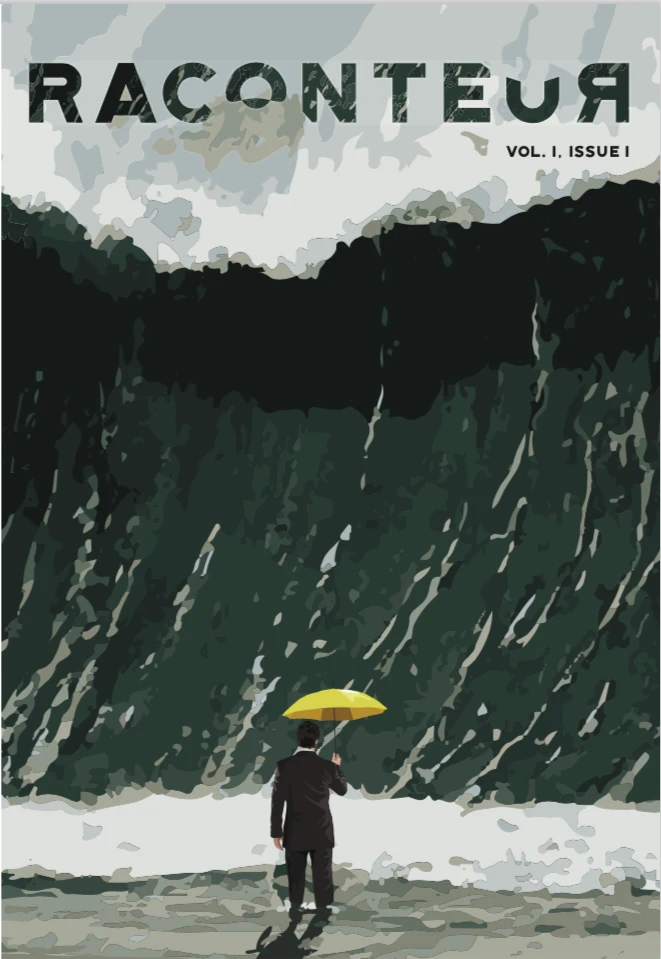
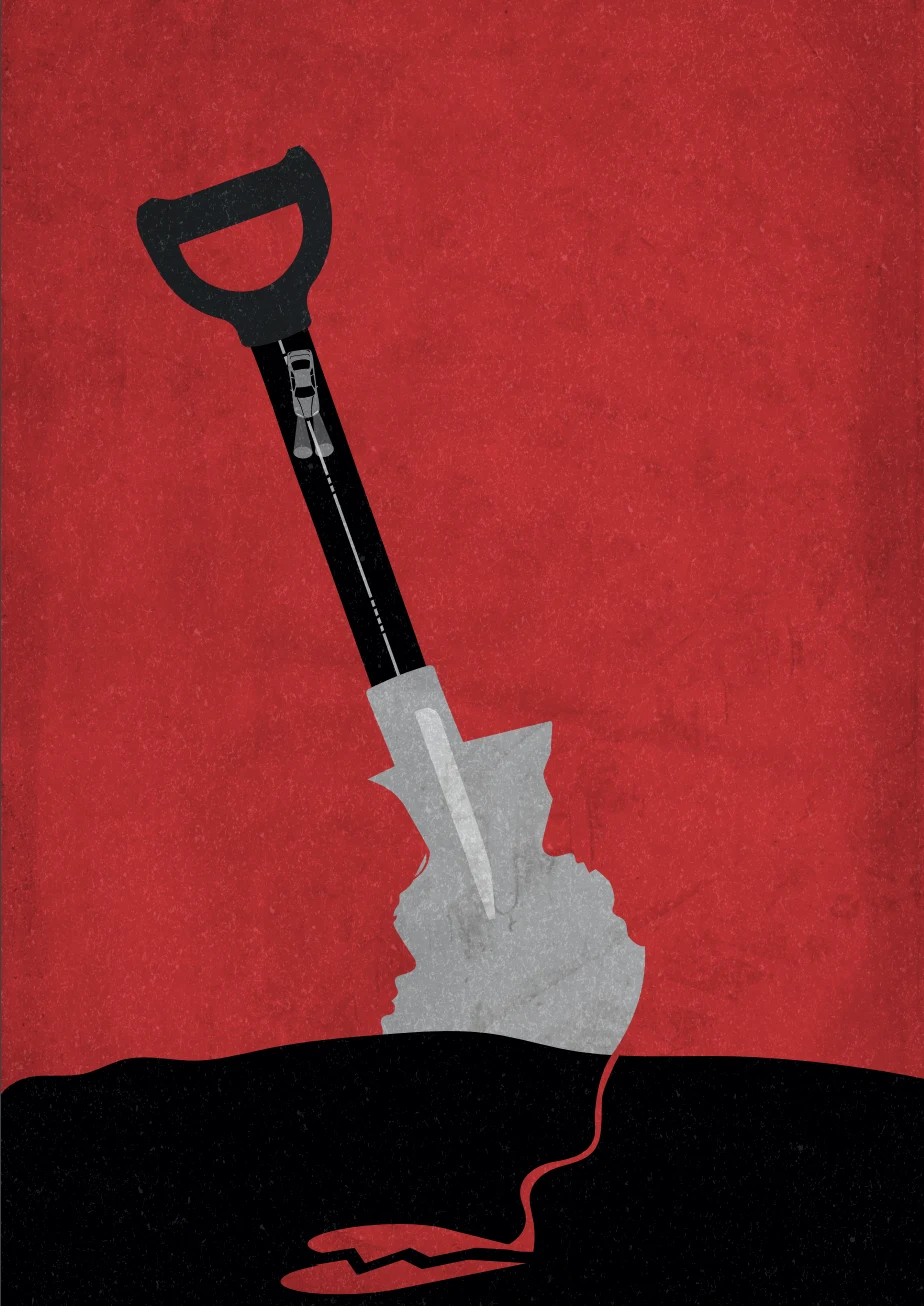
Featured in Raconteur’s inaugural issue, A Good Wife centres around a young married couple driving down a winding road by night, who later find themselves accomplices to a car accident and death of a hitchhiker. Mary, the wife, wants to call the police. Her husband, however, has a different plan.
February 2019
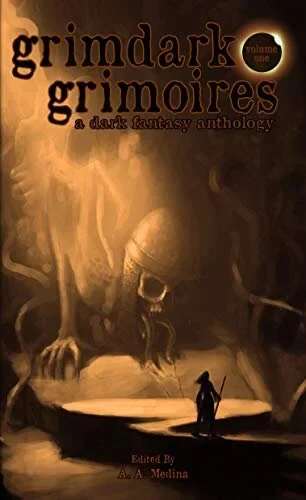
Appearing among nine other tales, Fireborn was featured in Aphotic Realm’s first Dark Fantasy anthology: Grimdark Grimoires.
A wanted boy with hidden powers. A father trying to smuggle him to safety. And powerful the forces working against them.
September 2018
Get your copy here
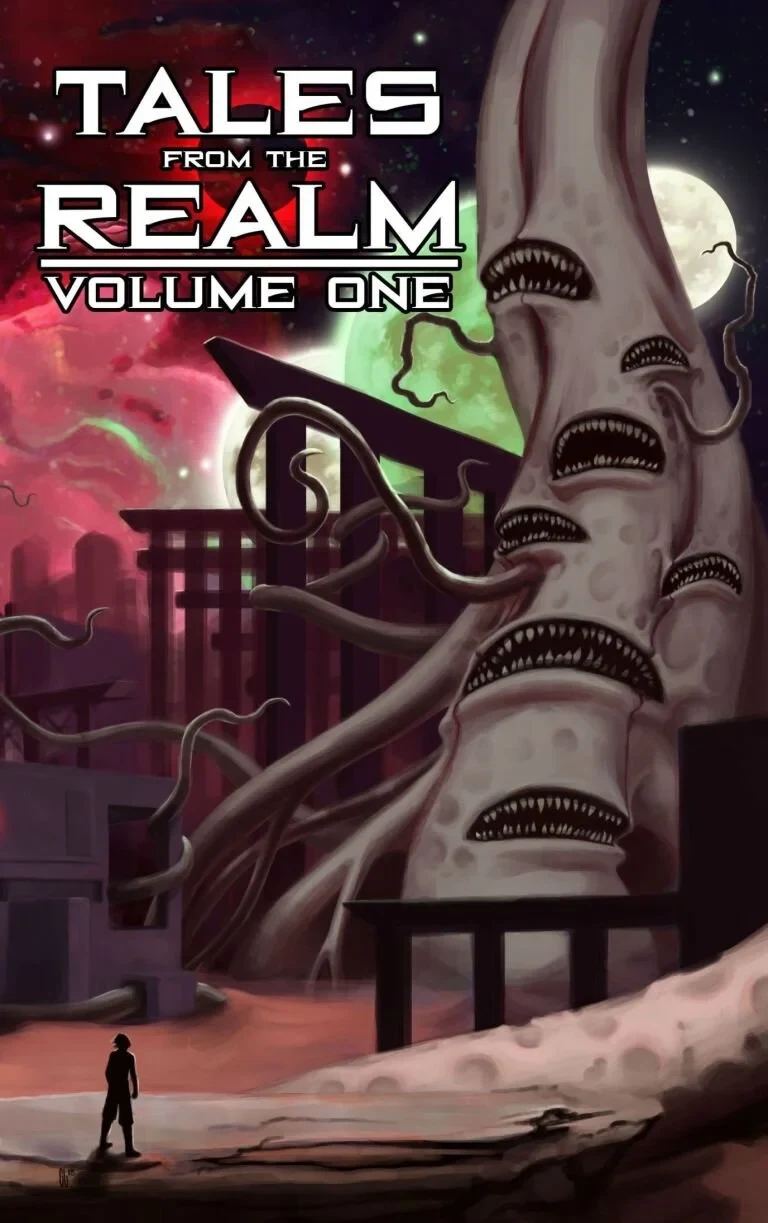
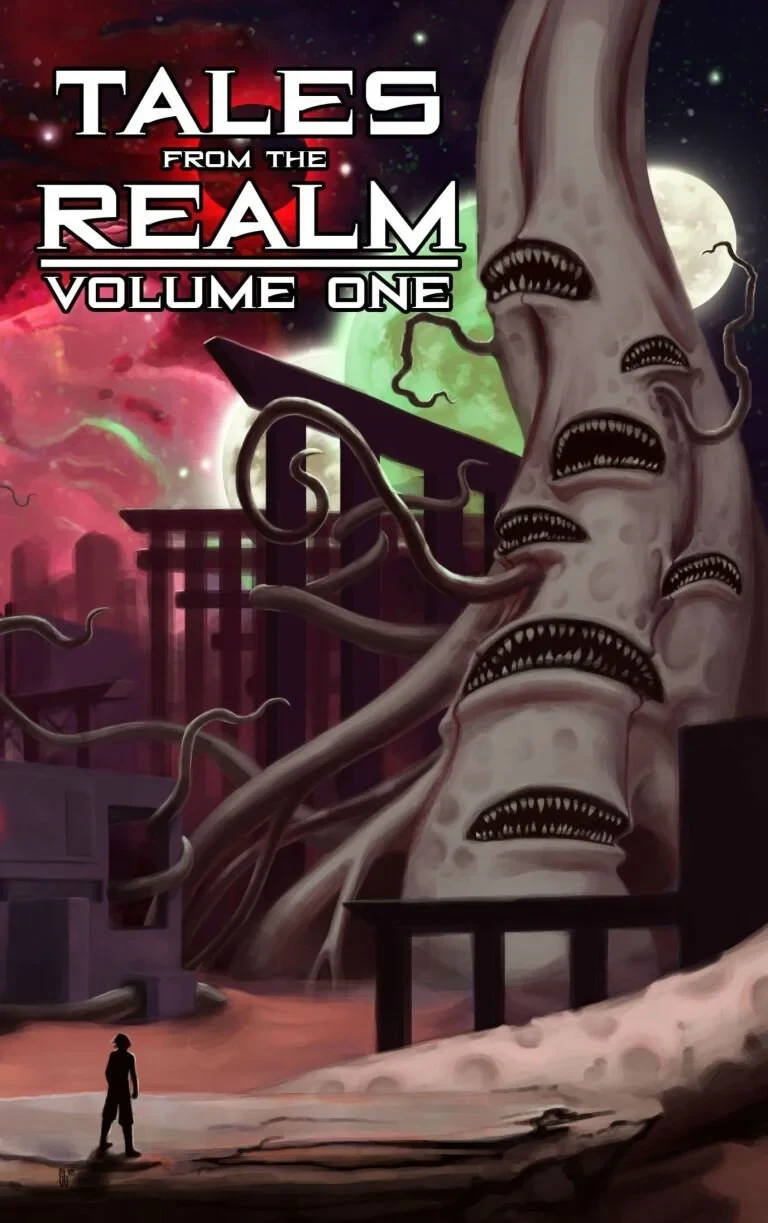
Originally published in online (Aphotic Realm -November 2017), The Trials of Man was later anthologized by popular demand in May 2018 and was reprinted as a feature in Aphotic Realm’s Best-Of-2017 collection: "Tales From the Realm Vol. 1."
The story follows a primitive culture's coming-of-age ritual, and a timid boy's journey to manhood.
November 2017, Anthologized May 2018
Pick up your copy of Tales from the Realm here
Read The Trials of Man free here
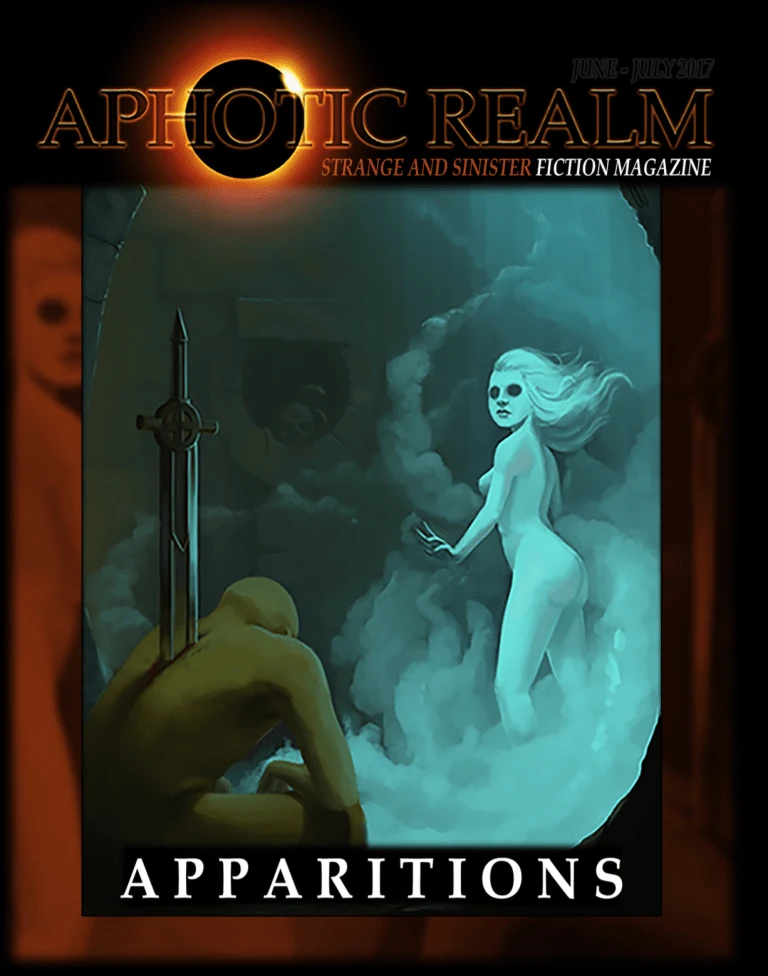
Featured in the debut issue of Aphotic Realm Magazine's Apparitions, The Blue Vial presents readers with a difficult decision: If you could live forever, would you do it?
The story focuses on a mother with a terminal illness, presented with the difficult choice of eternal life or instant death.
July 2017
Pick up your copy of Apparitions here

Originally published in Storyteller Magazine’s fourth issue (Vol 1. No. 4), The Box takes a different twist on virtual reality.
In a desperate ploy to be reunited with his recently-deceased wife, a man goes to extreme measures, risking his own sanity and life.
June 2017
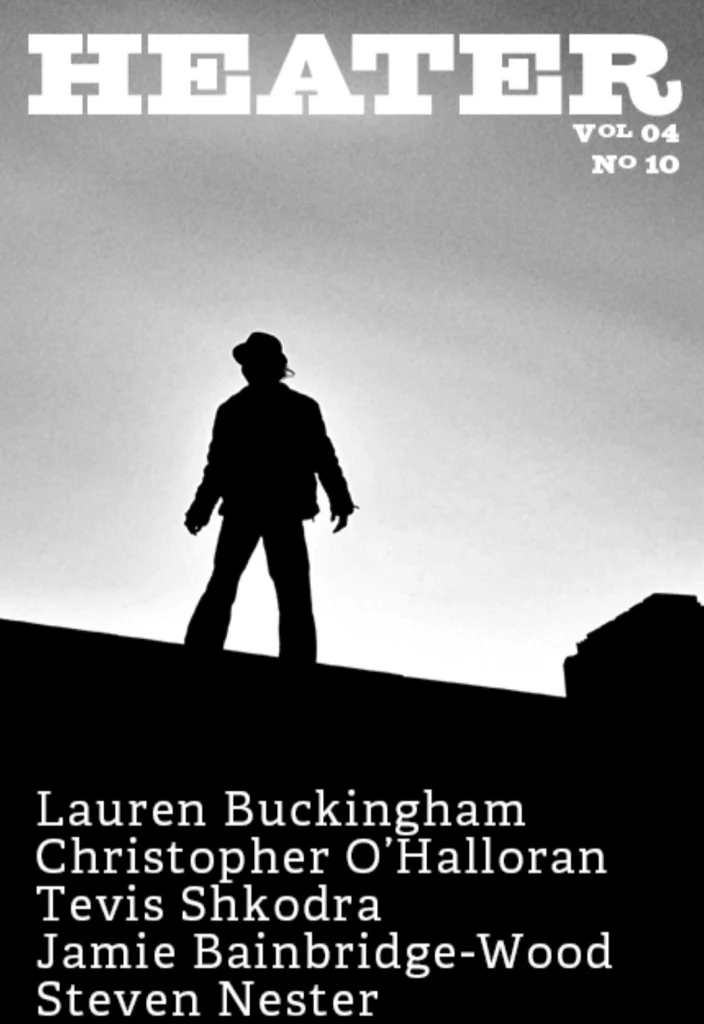
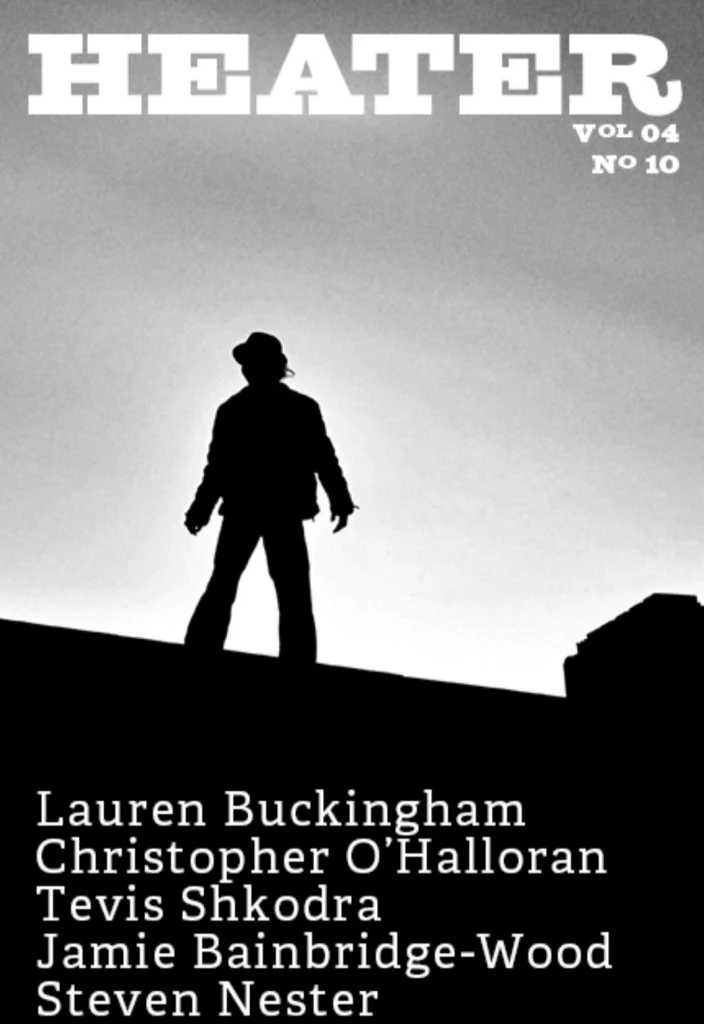
Featured in Heater Magazine Vol 10. No. 4, The Death of Thomas Reines starts off with a bang. Literally.
Thomas, the son of a steelworks tycoon, is found dead in the south of France. Yet, nobody even realizes he has died. There is no investigation launched, no questions asked.
November 2016
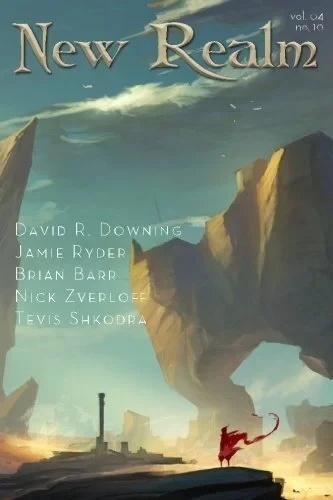
Featured in New Realm Magazine Vol 10. No. 4, The Trickster God is a fantasy story playing on tropes commonly found in Norse mythology.
The Trickster God is mocked among the gods for his impure nature. The biggest culprits - his natural-born brothers, who pride themselves on their purity. When games among scorn brothers go awry, the Trickster God plots to take revenge in a cruel jest against his brother.
August 2016

This short story was featured in Solstice Publishing's Summer Solstice Imprint. It is a contemporary story dealing with family and travel.
Daniel lives a happy and quiet life alone, consumed by his work and his daily routine. But when a family emergency strikes, he is forced to return to his hometown, where he is there that he is confronted with a haunting memory of the past.
July 2016

This dystopian novella was Tevis’s first publication, released in August 2015 by Solstice Publishing. The story follows Ohm, a mentally disturbed member of the lower working class of a structured future society as he stumbles upon a secret loyalist terrorist organization dedicated to overthrowing the ruling regime.
August 2015
Short fiction · 2022
Published: Firewords Literary Magazine
(August 2022)
Issue 15
My grandma stashed away empty plastic bottles for the coldest nights. Sometimes as many as ten empty bottles in a kitchen cabinet, along with a reliable single-burner portable butane stove and a box of matches.
She tucked me in under so many layers that I could barely move only to scurry to the kitchen and return moments later with the bottles, scalding hot from the boiling water she’d filled them with. She set one at my feet and two on either side of the bed. Never before had I thought a two-litre Coca Cola bottle would ever save my life.
She got into bed beside me, kissed my forehead and stroked my hair.
The year prior, my parents had thrown a New Year’s Eve extravaganza with fireworks and live music. It was the talk of the neighborhood, topped off by the gift my father presented me: a red bicycle with silver tassels on the handlebars—my first without training wheels.
“This is a special bike,” he said. “It’s not one of those Turkish knockoffs your friends have. It’s from Italy. Came here on a ferry just for you.”
Working in the embassy, he always managed to find the most interesting gifts, even though I would’ve been happy just the same. I spent the entire summer riding that red bicycle up and down the neighborhood and, when the summer was over, I was forced to move into the mountains to live with my grandma. And the fond summer memories quickly blurred into one-another, whereas the miserable ones—my grandma and I curled in bed, the water bottled at our feet, ushering in 1997 together—jutted out in my mind like crooked nails against an otherwise smooth surface.
That year, there were no presents, no guests, no fireworks.
When the crackling whip-like sounds came in the small hours of the night, I shot out of bed to catch a glimpse of the lights, only to feel a jerk pull me back.
“Stop squirming, you’re letting the heat out” my grandmother scolded.
“But I want to see the fireworks.”
“They’re not fireworks. Just ignore them and try to sleep.”
I lay back, shutting my eyes and hearing the distant crackle as I imagined the rainbow of colors sizzling in the night sky. I imagined watching the spectacle from the balcony, with my dad’s arm around me, with the laughter and music in the background. Yet, when I woke up the next morning, the sounds persisted. Just as loud as the night before. They persisted almost every couple of nights since. On and off. Sometimes in long intervals, rapid exchanges of deafening snaps, beginning and ending at all hours of the day and the night.
When I protested living with my grandmother, my mom claimed it’d be safer that way. Her house was removed from the main city. It had a cobbled entryway lined with a row of citrus trees that began at the property’s iron gate and ended at the steps of the villa itself. Barbed wires were gnarled atop the property walls which gave the entire property a dreary feel.
On the nights when the fireworks popped and crackled the loudest, grandma insisted we slept in the living room, near the fireplace and away from the bedroom windows. She made a game of it.
“But there’s no bed.”
“We can fix that,” she said, laying down blankets and pillows. “It’ll be fun. Like we’ve gone camping.”
“I want to talk to Mom and Dad,” I said.
“Oh it’s too late tonight,” she said, “but maybe tomorrow we can call.”
My grandmother never raised her voice, never swore, never lashed out. Dad said it was akin to killing you with cotton, a quality Mom undoubtedly had adopted.
“I know you’re tired hon, but the city’s a mess now and it’s safer with your grandma,” my mother said when I asked to come home. “Less racket where you are,” she said, although I heard the shots in the night here as loudly and as often as I had in the city.
That winter wasn’t all bad. Grandma and I played board games in the afternoon before her nap and card games in the evening. One day, we even fashioned our own wooden swords with a couple sticks and masking tape, and duelled together. As the winter snow was replaced with spring rains, my grandmother allowed me to venture off as far as the inner courtyard allowed, by the citrus trees but never beyond the iron gate that separated our house from the outside world. Even though I sometimes heard neighborhood kids playing outside, she forbade it.
She slipped a clove of garlic in my pocket and kissed me on the forehead.
“Keep it in your pocket,” she said. “It’ll keep you safe.”
I rolled my eyes at the silly superstitions of old people, but made no fuss. The days when I was allowed to play outdoors were the most exciting ones. It was on a morning like this one that I heard the iron gate rattle with a sturdy knock. I froze in place, eyes fixed on the gate. When I heard another series of knocks, I ran as fast as my legs could carry me indoors.
“Grandma,” I whispered. “Someone’s at the front door.”
She stared at me for a moment and put her hand on my cheek. “In the bedroom you go. Quickly.”
I did as I had been instructed, scurrying into the bedroom and shuffling under the bed. Grandma had said to keep still and not come out unless she called my name and, as her footsteps receded toward the front gate, I felt a terror loom over me, a gnawing at my gut, a thumping against my chest. The few moments that followed felt like hours until, at last, I saw the silhouette of a figure in the doorway.
“Get up,” my grandmother’s familiar voice said. “It was just Ivor.”
Ivor was the son of one of my grandmother’s friends and she sometimes sent him off on errands to pick up groceries from the market. Later that night, she sat me down and taught me Ivor’s secret knock—three quick taps followed by two long ones. “When you hear that,” she said, “come get me.” I felt so stupid for having been so terrified; like a little kid.
Grandma claimed Ivor was a friend, but I was never allowed to answer the door for the deliveries. Some days, it felt as though she were trying to hide me. To pretend I was invisible.
By April of that year, the sounds of the fireworks had begun going off more frequently. Not only in the night but in the morning and daytime as well. Grandma stopped letting me play in the courtyard. I could see the worried look on her face and knew something was wrong.
“It’ll be okay,” I told her.
She held me in her arms and stroked my hair. I thought of my friends in the city. Of my school and my parents’ extravagant dinner parties. How my whole world had shrunken all of a sudden to the size of my grandmother’s meagre estate in the mountains.
“You want to call your mom?” she asked.
“Sure,” I said.
Over the phone, Mom sounded weary. There was static and shuffling on the line, I could barely hear her.
“What’s going on over there?” I asked, but she did not answer.
“Listen,” she said. “Tomorrow we’re coming to get you. So pack whatever you have tonight and be ready. Now pass me your grandma. I need to talk to her.”
Grandma helped me pack a small bag but I saw sorrow wash over her. A heaviness in her movements. Neither of us seemed to manage much sleep that night. The following morning, as if by a miracle, my parents were there, standing in the courtyard. Dad ruffled my hair and Mom hugged me.
“Hurry up,” she said, “go and pack up your things. We’re going away for a little while.”
A black sedan sat idle outside the gate, engine purring. The chauffeur leaned against the door, savouring the deep drags of his cigarette, inhaling until his lungs fully expanded and blowing out puffs of smoke into the air. From his suit, I figured he worked with Dad at the embassy but I didn’t recognize him.
At the sight of us, he flicked the cigarette away. Dad did his utmost to hold back tears as he hugged Grandma, his cheeks reddening. Mom embraced her, too, whispering a solemn, “Thank you,” in her ear.
Grandma leaned forward and brushed aside the loose strands of my hair. “It may be some years until I see you again,” she said, kissing my forehead and wiping the kiss away with her thumb. “Be a good boy.”
Up close, the hard lines in her face accentuated, she seemed wearier. Weathered. A hopeless expression was on her face; the skin drooped, the bags underneath her eyes darkened, her hair wisps of white and gray. Hunched over her own weight, she wrapped a woollen blanket around her shoulders and stood in the dirt road like a guard on patrol. I stared at her through the sedan’s tinted windows as the car rumbled to life, recalling her features. Drinking in the full sight of her, down to the droplets of muck spattered on her blue plastic slippers. She stood there after we accelerated and drove off into the distance until, at last, we turned a corner and she was gone.
We drove for eight straight hours without stopping for so much as a bathroom break, and only when we crossed the border did my father’s shoulders slump, a relieved smile on his face.
“You must be hungry,” he said. “We can stop to eat something.”
Once at the hotel, my mother sat me down to explain. “People may dress differently here,” she said, “and they speak a different language.”
“He’ll pick it up,” Dad offered. “The important part is we’ll all be together and we’ll be safe here. Now go shower so we can get some food.”
Unzipping my suitcase, I noticed a small clove of garlic sitting atop my folded clothes. Grandma had slipped it in. I rolled my eyes at her superstitions and presented the clove of garlic to my mother, explaining to her how Grandma had insisted I travel with it at all times. How she said it would keep me safe.
Mom began to laugh, then cry.
Short fiction · 2019
Raconteur Magazine Vol. I, Issue I.
(February 2019)
Eyes locked on the single strip of asphalt slicing through a sea of evergreens, Mary clutched the side door panel, her grip taut. Their vision extended only as far as their headlights, the beaten Chevrolet slicing through veils of fog. Brisk October air, moist with dew and raw with the tang of conifer terpenes, engulfed her lungs. Mary shuttered.
David gripped her hand, caressed it in his own, and kissed it fervently. He squeezed with a firm grip as he often did to reassure her nerves and her mind immediately conjured memories of the beach. She reminisced on the sweltering June Wednesday when—eyes still flaked with sleep—they rolled out of bed, voices still croaky as they called in sick, only to pop the top of their ‘76 Chevrolet convertible, and drive three short hours down the coast to Sunnyhill Beach. How happy they had been then, she thought, gaze transfixed on his profile, jaw rigid and firm, his piercing eyes fixed on the winding road ahead. He cocked his head and winked, the grin on his lips hinting the flame of their first love had not quite sputtered out.
“You’re somewhere else,” he said. “Everything okay?”
“I’m fine,” she responded with a nervous chuckle.
It’s stress, Mary reinforced in her mind in such moments, as she often did when the desolation of their love became deafening to her ears. Ever since he ditched the bottle. Adjusting’s tough and we all must cope. God knows you’ve tried.
Her mind wandered not to the man who’d once surprised her with a spontaneous vacation, but to the one who’d treated her more a stranger than a lover. Memories of Sunnyhill giving way to ones of her battered against a wall like a rag-doll, to the humility in his apology, and her self-loathing in the accepting of it. A voice inside her, one she swallowed, wanted to shriek at the thought.
Couples fight, she assured herself. It’s a part of marriage.
Except this time, when his apology was accompanied with the offer of a getaway, a road trip like the old days, she had agreed immediately, wondering whether they could recapture a sentiment long-ago abandoned.
“You sure you’re okay?” David asked, grinning.
“Mhmm.” She nodded, cupping his cheek. “This trip is really nice is all. I love you.”
The words hung in the air for a moment, before fading.
“Look, Mary . . .” David pursed his lips, brows furrowed. “I’ve been meaning to talk to you. It’s just . . .” He sighed deeply, his hand moving in one swift motion from the steering wheel to her cheek. “When I drink . . .” He stroked her hair, his eyes wide and apologetic. “I, well—"
The thud came in a sudden flash.
The windshield burst into a million shards of glass.
The tires screeched. The little Chevrolet spinning wildly out of control.
David gasped and Mary unleashed her deafening shriek. When the tires halted, they sat to the sounds of their own panting. In the piercing winter air, neither daring utter the first word.
Mary’s heart thumped wildly against her chest. David’s face, still white with shock, was aghast. They stared at one-another in disbelief.
“A-are you okay?” David asked, running his trembling hands along her hair, kissing her cheek and hugging her. “Mary, are you okay? Mary?”
“I . . .yes, yes, I-I think so,” she responded, her face numb to the tears running down her cheeks. “W-what was that?”
“A . . . I-I, a d-deer, I think,” David said, though neither of them seemed convinced with that answer.
“Should . . . should we go check?” Mary’s throat tightened. She turned back. “David . . . Maybe it was a . . .” her voice broke.
“No, no, no baby no,” he muttered, shaking his head, stroking her hair. “It was just a deer. Let’s forget about it and just go home. Huh Mar . . . Mar?”
She reached for the door when she felt his nails digging into her forearm, his grip taut. “No,” he said, eyes white and wide, face red with terror and anger.
“David, you’re hurting me,” she whispered.
He released her, the lines on his face strained. “I . . .I’m sorry. Baby listen to me, please.” His hand moved up to her cheek, brushing her disheveled hair. “Just two hours. Two hours and we’re home free. Let’s . . . let’s . . .” He swallowed hard at the unmoving look on her face and let slip an exasperated sigh.
Mary caressed his hand in hers, only then realizing the chill of his frozen fingers. She had seen him wear many faces, but never in her years waking up beside him had she seen his face so drained of colour.
“We should just call for help. It was an accident.” We didn’t mean any harm by it. We’re good people. The police will understand.
“They’ll put me away, Mary.” The words sliced into her like a knife. “T-they’ll lock me up for life.” His lower lip trembled.
“B-but let’s just c-check. I-I-If it’s a deer, or . . .or a rodent, hmm? What if it’s just a stupid rodent, Hun? We can just drive home.” She stammered, horrified by the look in his darkened eyes.
“No.” His voice was distant, stern. “No, we have to check, you’re right. It’s the right thing to do.” He cleared his throat, composing himself. “I’ll check. You stay here.”
It was not a request; it was a command.
Through the dirt-speckled side mirror, she saw his figure fade into the night. She lingered uncomfortably, her fingers twitching with anticipation, her heart still thumping wildly.
Impatiently, she inched the door open. The overhead lamp flashed on, startling her at first. Stilled, she caught a glimpse of her weary reflection, haunted in the mirror, the lines on her face accentuated by the harshness of light.
The Chevrolet’s passenger door gave a squeak. Stepping out, the bitter winter air cut into her. David stood in the distance, hand over his mouth, face stunned and white. A dark, motionless figure lay sprawled at his feet. Realizing what they had struck, the weight of it lodged deep in her stomach.
It was not a deer; it was a man.
“I-I . . . D-D-David.” She murmured. “Is he d-d-dead?”
“God Dammit woman!” David bellowed, his chest swelling with pent-up frustration, before releasing an exasperated sigh. “God . . .damn it!” He buried his face in his palms in defeat.
“David.” She moved toward him with measured steps, her hand reaching out.
He slapped her hand away, echoing back a hollow clap. “He’s dead, damn it. He’s . . .” David ran his hands through his hair, pacing back and forth. “ . . . He’s fucking dead. We have to do something,” he muttered to himself. “We . . . w-w-we can’t just leave the body here, lying around in the middle of the road. We have to get rid of it.” He softened, his arms wrapping around her. “Mary, darling, honey, I can’t do this without you, baby. T-They’ll find the body and they’ll find us, love. They’ll find me, and put me away, baby, is that what you want? Hmm?”
“No.” Mary’s chest tightened. I don’t think so, at least.
For a fraction of a moment she entertained the notion of a David-less life—her moving back in with her mother, bearing the reproach of leering neighborhood housewives drunk on gossip, whispering backhanded slurs about her convicted felon of a husband, the murderer. In comparison to that, a little slap every now and again was a price she’d happily pay.
“Good. You grab the legs, and I’ll get the arms.”
Mary’s skin crawled, her body tingling. The fear of approaching car headlights brought with it a rush of adrenaline. The bloodied, mangled corpse already putrid with the iron tang of blood in the air, stinging Mary’s nostrils.
“It’s impossible.” She grunted, hands around the man’s cold ankles. “He’s too heavy, David.” The corpse’s legs thud to the ground. “I can’t do it.”
“C’mon Mar, I need you now.”
Attempting to lift the corpse a second time, she could not help but smile at David cheering her on. He had always been her rock, and she wanted to prove herself a loyal, loving wife worthy of his love.
Despite his shortcomings, he’s a good guy, she assured herself.
Tucking the man’s muddied boots under her armpits, she lifted him, swaying back and forth. “Can’t we just leave him here?”
“Mary. We have to bury him. Now hurry up.”
“Bury him? David, we . . . we’re kind hearted people who made a mistake. I’m sure they—”
Her husband silenced her with a darting glare, similar to the one her mother often flashed before disciplining her.
Mother had once warned her that pleasing her husband was her wifely duty. “You think your father and I raised four kids without a hitch?” she had said, scoffing. “You’re dealt what you’re dealt and you deal with it.”
Mary agreed, despite everything inside her urging her to run. “We will bury him.”
“Good.”
David marched toward the car, vanishing into the darkness, leaving her to wonder whether he’d abandon her on the side of the freeway with nothing but a corpse for company. When he returned, he carried a metal spade and a exasperated look, and she knew it promised to be a long night.
“You know it was an accident, right?” The spade’s metal tip scraped on the gravel and dirt as David trudged toward her. “You know that, right?”
Mary inched back like a startled doe. “I-I . . .yes, I know that,” she affirmed, though neither of them seeming convinced.
“Let’s get this over with then.” David handed her the spade and slung the corpse over his shoulder like a deer carcass, before vanishing into the woods.
Leaves crumpled beneath his step. David only grimaced, his face pale, his mind elsewhere, leaving Mary to dwell on his thoughts. He’s probably craving a good, stiff drink right about now.
“This is far enough.” He dropped the body.
Blood glimmered black in the moonlight, pooling beneath the corpse. David planted his spade in the dirt, grunting. Mary wrapped her arms around her body, teeth clattering, eyes shifting between her husband and the hole he was digging. She heard a sound, a faint wheeze that could have been mistaken for rustling leaves in the whistling breeze. Mary startled.
“What was that?” she whispered.
“Huh?” He looked up. “Nothing. It was nothing. Just keep a lookout.”
Mary shrieked with all the volume her lungs could muster, a shriek that sent the crows scattering from the treetops in all directions, one loud enough to be heard from the main highway.
“What the fuck!” David scowled, nostrils flaring. “What are you doing, idiot? Do you want us to get caught?” He flashed an all-too-familiar expression of rage. “What? What the fuck is it?” He clenched his jaw, eyes twitching, hand curling into a fist. He managed to calm himself, chewing his lower lip. “What is it? Spit it out, you dumb bitch. What the fuck is it?”
Mary was paralyzed. “H-h-he he’s a-alive, David.” Her whole body trembled. “He’s a-alive!” She looked down to see the man’s blue eyes staring back at her.
“David w-we have to h-help him,” she stammered. “We . . . we have to.” She noticed David’s dirt-stained white undershirt, his face filthy with sweat, metal spade still clenched in his fist.
The man gasped for air, groaning, writhing.
“He’s alive.” David’s whisper was faint, his eyes wide. “ . . . Alive.” He scratched his head.
“Yes!” Her desperate, weary smile beamed as she reached to embrace David. “Yes, baby, he’s alive. We haven’t killed anyone. Just an accident, honey, just an accident.”
“H-help m-me.” The man reached his arm out, his fingers inches away from Mary’s ankles. “P-p-please h—”
The thwack came in a single fluid motion. Hot blood spattered on Mary’s face before could react. David towered over the body, panting, specks of the man’s blood spattered on his undershirt and neck. A second blow connected with the man’s jaw. A third blow soon followed. Mary shrieked, gasping in terror, her hands covering her mouth. David leered at her with the same bloodthirsty savagery in his eyes.
He’s going to kill me, Mary shrank at the thought. He’s going to kill me and bury us both in the same hole. She scolded herself. Her heart wanted to believe him still the man with whom she had shared half her life, a kind hearted man. Her mind suspected the truth about him. A stranger. A murderer.
“I had to do it, Mar.” David stepped toward her with his arms wide open. “He’d seen our faces. He knew. He-he would’ve turned us in, Mar. I know he would have . . .”
She flinched at his embrace, his touch making her gut churn. Beside her, thick crimson blood oozed from the man’s crushed skull. David wiped the blood from his chin and cheeks with the bottom side of his undershirt casually, as if it were sweat from a hard day’s work.
On his face, she caught sight of a battered, relieved smile on the brink of laughter. She swallowed hard.
“Let’s just leave,” she said. “Toss him in and let’s go.”
David’s body slithered toward her; his lips, still warm with blood, met her cheek. She resisted the urge to retch.
The first time might have been an accident, but the second time was murder.
Her fear was challenged by her irritation. Not only had David murdered a man, but he had done so with such hot, fervent passion, a fire long-gone from their relationship.
Before long, Mary was back in their little Chevrolet, silently peering out the window and thinking of the unmarked grave deep in the forest, and of the man who only hours ago drew breath.
“See?” David’s gruff voice startled her. “Just like it never happened.” The words hung heavy in the air. He caressed her hand in his, kissed it.
“Yes.” Mary swallowed hard, not daring look him in the eyes.
David was a stranger. A shell of the man she had once known and loved. One question lingered in her mind where all others faded: How long until he kills again, and who?
“I love you, Mar.”
Gazing into her husband’s darkened eyes, into what had awoken in them, Mary feared for her life.
“I . . . I love you, too,” she replied uneasily.
Short fiction · 2017
Published: Aphotic Realm (Nov. 2017)
Available: http://aphoticrealm.com/the_trials_of_man/
Full text (updated for tevisshkodra.com):
The nights were bitter and cold. The boy huddled in a grotto’s darkness, only a thin cloth garb and some meagre red embers of a once-crackling fire to warm his tired bones. Scavengers and predators lurked in the shadows of the forest, howling to the moon, drawn to his campfire’s flickering light. By night, the boy was sat in darkness and shivered in the cold, dousing his flames in fear of an attack. The first raindrops fell early, pattering down on the foot of the grotto’s steps. His breaths escaped his body in little white wisps of fleeting warmth. His belly grumbled, begging for a meal, clawing at his insides. It promised to be a long night, and when the night gave way to daylight, he would be forced to hunt again.
He would hunt or he would die.
Stupid tradition, thought the boy wrapping his arms around his knees. I’m no butcher’s son, no smith’s boy. My father’s not lowborn like them. Why then does he reduce me to their ways?
The world was brimming with talented hunters and skilled warriors, and God knew his father — the king —had coffers overflowing with gold. Why then this ritual, this stupid trial of strength?
A prince should not be forced to hunt when he can pay a few silvers for a stag.
The first two nights, when the hunger tore through him, when the fatigue seeped into his bones, he blamed his father. He snuffed his campfire and muttered treason against the king. After the third night, when his muscles weakened, when his body felt on the brink of shattering, his anger cooled to hatred, then to understanding. Perhaps this trial had never been his father’s wish. The Trial was the law of the land, the way of the gods — gods that rendered kings powerless, gods that were defeated only by the pitchfork-carrying small folk that worshipped them.
They all knew he was a poor hunter. All princes were. They saw his stout, chubby frame, padded with layers of fat, and grinned with a curt bow. At the sight of his curly red hair, his freckles, his fat sausage-fingers wrapped around the hunting spear, even the farmers struggled to suppress their laughter.
This stupid trial is the first law I’m going to change when I become king.
. . . If I become king.
—
“A man must provide for his family, just as a king must provide for his people,” the boy’s father had said. “To the lowborn boys this may be a game, a ritual of little value. But you are my son and my heir, and our people will soon seek your guidance. How then will they trust you if you have never taken life, never provided for them? You’ve seen thirteen summers now, and the time has come.” His father’s tone was ice. “So leave and return victorious or be banished forever.” The king rested his arms on his son’s meaty shoulders and whispering, “I believe in you, son. The gods walk with you.”
The prince’s farewell was met with silence, with hollow stares. The townsfolk gazed with their dead glances, judged with unsmiling faces, not once curling their lips in a smile or a cheer. The prince had not yet worn the crown and already its weight crippled him. One way or the other, the innocent boy within him would die, from starvation or from duty.
—
They must all think me dead by now.
The next morning when he woke, the ground was moist and tender. The dew was fresh in the air, and the boy emerged from the grotto’s mouth with a thirst. He made out to the thick jungles, nimble-footed, silent, and deadly. His spear was heavy to the touch, but its razor-sharp iron tip hungered for flesh.
The four days since his trial began seemed an eternity. Other boys returned within hours, overnight at the longest. The sluggish took a little longer, two days, three at the most. They were the sons of blacksmiths and hunters, of tailors and fletchers, lowborn peasant boys with wild spirits and savage blood.
Four days may as well have been forty. Nobody would care look for him. No patrols would be mobilized. No tears would be shed. Love, like respect, was an emotion his father reserved for the strong.
The boy’s hands —chubby as the were—seemed bony. His fingertips wrinkled and white from the rain. Rodents skittered around him, birds perched on treetops, peering down on the boy-hunter passing, twigs snapping at his every step.
The animals can sense me a mile away. This is pointless.
The boy stared at the plump birds in anger. He wanted to hurl a spear in the air and watch his dinner plummet to his feet. If there was honour in that, his trial might have been successful, but he was not hunting birds and rabbits. Not a king’s son. He was hunting bears, wolves, jungle beasts that could claw him dead with a single blow. Had he returned with anything short of a jaguar pelt around his shoulders would have brought shame on his people. On his father.
Perhaps Father will take pity . . . after four days.
The air around the boy was silent. Too silent. Then it came—the sharp snap from nearby.
Probably just a squirrel, the young prince assured himself as his hands turned to ice, as his limbs tensed with fear. Spear in hand, he crept through the foliage.
I am the hunter, he assured himself. The animals should fear me. Not the other way around.
Then he saw it.
Where the ground depressed into a shallow ravine, at the foot of a thin-flowing stream its pelt seemed to shimmer a rich, hazelnut auburn. How peaceful it looked from afar, a fragile young thing meandering mindlessly in the forest, sipping at the river, perhaps even seeking a small meal of its own. A deer was big game—much bigger than rabbits and squirrels—and peaceful as it was, the boy was famished.
He prowled forward, his eyes fixed on his unsuspecting prey, his bony knees rustling through the tall strands of grass. The deer perked up its ears at the faintest peep, and, after shooting a startled glance left and right, it went right back to sipping from the stream and nibbling at the grass.
You’re a king’s son. His father’s words echoed in his mind, their weight falling heavy on the boy’s shoulders. You’re a hunter and this is your kill. You’re a predator and this is your prey. You’re starving and this is your meal. You’re cold, and this is your warmth.
His blood boiled, his heart raced, his mouth watered and his cold hands tingled. The warrior’s spirits flowed through him as he prepared to leap for the kill. All the jungle’s sounds fell silent, save for his own thumping heartbeat. The boy in him wanted to sit and savour the moment, to approach the gentle beast, run his fingers through its lush pelt. But the other part of him knew the animal must die, if not by his hands today, by another’s tomorrow.
In time, everything beautiful met terrible ends, and there was beauty to be found in most everything terrible. The fabric of time interwoven in naturally-occurring cycles, of life and death, love and loss, happiness and despair; cycles that had appeared long before the boy’s birth and would continue long after his death. It seemed to be a truth hard learned by boys becoming men, a bitter-tasting reality of life widely accepted.
In one fluid motion, the boy leapt up and hurled his spear forward. It whooshed through the air, slicing the gentle breeze and piercing the beast’s hind. The deer let out a loud, painful groan, followed by a powerful jerk and a whimper. It staggered a few short steps, staining the summer grass behind it with a trail of pooling blood, before finally giving a deep grunt, a soft wail, and collapsing, thudding to the ground.
I’ve killed it, thought the boy, feeling more nauseous than proud, his craven little heart sinking with fear.
He approached with slow, careful steps, noticing the fear in the animal’s wide, black eyes. Its body was still warm to the touch. Its heart still pounded softly, chest puffing up and down as it drew out slow, hot breaths. The deer jerked and moaned when the boy ran his fingers through its pelt, its eyes widening with fear.
Half of the boy rejoiced for the meal he was about to enjoy, while the other half wept for the life he was about to take. He had once thought a prince should never be privy to the world’s injustices. Yet, stroking the dying animal’s pelt, the boy realized the good and the evil would always be twined together, one white and the other black, mingling to form the endless gray expanse they inhabited.
Is this what Father means to teach me? Does he want his son a killer, to bear the burden of my actions? Is savagery necessary to manhood? If so, I’ll have no part in it. But his hunger scraped his insides. The animal was far too heavy to carry back into town. Its blood was almost black as it pool around the boy’s knees. In one fluid motion, the boy jerked the spear from the animal’s hind and brought it down on its chest. The soft white underside of its belly stained with blood as the beast’s eyes widened.
The boy made camp at the thin stream’s basin, under an oak’s shade. He stripped from the dear what he needed, a tender cutlet to cook over the campfire, and a stained fur pelt to warm his night.
The butchers had told him when he was younger that an animal’s fear spoils its meat. It was true. The cutlets tasted of ash. The foul stench of blood and death swirled in the boy’s nostrils as he wrapped the still-hot, fleshy pelt around his shoulders. The flies and the scavengers soon lingered, attracted by death and fire, to consume the carcass the boy had left behind. The flames glistened in the deer’s hollow black eyes, which stared blankly at the young prince.
On that fourth night, he ate like a king, almost gnawing off his fingers in the meal’s frenzy. And then he slept better than he had in days, with a soft pelt around his shoulders, a bellyful of meat, and a crackling fire at his feet. Waking up the next morning, it seemed like a dream.
Only then, when the sun had risen did he feel guilty, when the dead beast still lay there mangled and skinned, an odorous stench hovering in the air. A few of the braver scavengers, vultures and rodents, pecked at the raw, fleshy bounty. Others lurked in trees and in bushes, their yellow eyes poking though the shade, waiting. The boy’s conscious began to torment him that morning. Only when his hunger was sated, when the deed was done.
His trial was over, his banishment lifted. He sought nothing more than to leave this savage jungle running, and return home a man.
It was Father’s will, and Father’s will is law. Do all boys feel this way their first time—strange and tingling all over, ashamed and dirty, but also oddly satisfied?
Specks of deer’s blood had dried black on his shoulders and face, forming a thin mud-like layer of filth. His white garb was smudged with streaks of crimson. The animal’s pelt itched the boy’s neck, resting askew and uncomfortable on his shoulders. But he wore it proudly upon his return home, perking his meaty shoulders up to keep it the thick pelt from slipping off.
What will the townsfolk think—to see their prince returning spear in hand, bloodstained, and wearing the skin of his prey? Will they greet me a warrior, or some lowborn brute? Will they smile and clap or will they shy away, repulsed? Will they see me still the same frightened boy, or a man worthy of their respect?
The questions kept his mind racing.
Approaching familiar lands, his chest tightened from an anxious fear, his insides churned, his hands became clammy with sweat, and his jaw clenched.
Thin fingers of black smoke rise in the distance, above the tree line and over the small ridges of land.
There it is. There’s home.
The delicious and familiar smells seemed to already waft to his nose. Perhaps the king would throw a banquet feast to celebrate his son’s triumphant return, perhaps a celebration for the small folk.
With the ridge behind him, and the town approaching, the boy caught a glimpse of the road ahead, lonely and abandoned.
Where’s the town guard? Where are the villagers plowing the fields?
The thin fingers of black smoke, he soon after realized, rose from burning homes, laid to siege from tall red flames. His heart sank at the sight. The town’s stonewalls had crumbled to ruin, the homes they had once protected were plundered and scorched to the ground, the citizens slaughtered by the hundreds. The survivors, few as they were, must have sought shelter into the woods, or perhaps were made prisoners.
Dead bodies surrounded the young prince as he walked down familiar neighbourhood paths. Strangers’ hollow faces frozen in the terror of the moment, their cheeks sunken, and their eyes red and tearstained with grief. The faces of his friends and neighbours looked up at him with their haunting dead eyes. Only the vultures rejoiced, feeding aplenty on the mounds of human fodder. Flies buzzed about, and with them, the stench of death.
Only a few remained in the black rubble, none caring to see the prince’s return. They did not so much as glance in his direction. Once, perhaps, there may have been kings and princes ruling over their domain, but when the city had fallen so had their loyalties and homes. The handful yet living were frail and skinny, waifs with bare goose fleshed legs, blackened from the charred remains of their homes, donned in nothing but torn rags, wandering aimlessly, scavenging alongside the vultures.
The young prince stood over the rubble once his kingdom, and wept. He wept for his father, for the man’s legacy, for his friends and kin, for his home, for his past and his future. He wept for his trial, his banishment, for having been forsaken to a hunter’s life, a bandit’s life, a savage life in the company of beasts. He wept for his childhood buried under the rubble of those buildings, and for the countless perils life would soon spring upon him.
Short fiction · 2016
Published: Heater Magazine, (November 2016)
Thomas Reines was murdered yesterday in the small hours of the night, under the starless pitch-black sky and in the middle of a howling rainstorm. Nobody was held accountable for his gruesome death because nobody even realized he had died. There was no police investigation. There were no questions asked.
He had been the only son of Bertrand Reines, the billionaire founder of Reines Steelworks Co.— the third-largest manufacturer of steel in the world. Needless to say, Thomas lived lavishly on the monthly allowances of his father, and all it cost him was a typed letter every now and again to let his family know he was alive and well.
***
“I hate it,” Thomas said, rubbing his ink-stained fingers together. “I hate that he makes me write these.” He scoffed. He sat amidst the almost-windless summer breeze, on a rusty metal chair overlooking the crystal- clear ocean. His friend Patrick was slouched on the balcony railing beside him, enjoying the swoosh of the rolling saltwater waves and the seagulls mewing in the distance.
“Oh come on, Tom. The old man’s just worried about you,” Patrick said. “Besides, a letter a month for all this . . ." He spread out his arms, the gentle summer breeze dancing in his hair. "I’m sure any sane man would be pleased with that trade-off.”
Patrick and Thomas had first met in a Parisian piazza. Pat was drooped on the side of the cobble street strumming a guitar with a broken string, an empty black guitar case sprawled at his feet, littered with small coins amounting to little more than a hot meal. Thomas's girlfriend at the time stopped, demanding a private serenade from the man. She was the catalyst to Pat's world changing.
They had been living in Tom’s summer villa in Marseilles for two weeks now, opting to take Tom’s yacht around the Mediterranean, all at the expense of Mr. Bertrand Reines of course.
“Enjoy what you do have, Tom, because a lot of people have it worse.”
“Yeah, but you don’t know him like I do, Pat. The man’s conniving and manipulative.” Thomas sighed. “He killed my mother, you know," he said, pulling a smoke from the pack in his shirt pocket, nestling it between his lips. “He drove her insane with endless talk of that stupid company. A lifetime dealing with his prattling on about the steelworks would drive me to blow my brains out too. Death must’ve seemed like a cakewalk after the hell she’d been living in. And what’s worse, I don’t think he even cared at all. That’s what I can never forgive him for—for not even at least pretending to care." He combed his pockets. "He’ll probably ask me to take over the steelworks just to see me suffer. We both know I’ll have no choice but to take the job, and that’ll be the end of that. Where’s the damn lighter?”
“Tom, that’s bullshit. You just can’t stand the thought of happiness, can you?” Pat laughed. “We both know he hasn’t pressured you to do anything you don’t want to. And it’s not like you need to work. You’re practically richer than God.”
“You know, Pat.” Thomas rubbed the morning sleep from his eyes, the black ink on his finger leaving a thin smear on his eyebrow. “Everyone prattles on about this money.” He lit his cigarette and took a deep drag. “And I can’t lie, it is fun. But the truth of it is, if it were possible, I'd exchange all the money in the world just to be free of my father.” He gave a weary chuckle. “But people don’t see any of that." He inhaled deeply, pressing the balls of his thumbs to his temples. "Well they can have the damn money if it means dealing with Mr. Bertrand Reines, mogul extraordinaire.” Thomas began mocking his father, imitating him in a deep voice that always made Patrick laugh.
Patrick could never piece together why someone like Thomas had taken such a liking to him. Thomas had told him that after months of beating his ear with only French, to hear another American around the same age talk about similar interests was a blessing in itself. In truth, Patrick thought it had more to do with his father. There was something about the vagabond lifestyle, drifting from one place to another, broke and utterly free of all obligations in life, that must’ve appealed to Thomas. At least it sure seemed like it when he got in pissy moods and prattled on about his father.
It didn’t matter that Patrick did not have a dime to his name. He could wear Thomas’s clothes, live under his roof, spend his money, and travel in his luxuries, for as long as he remained in his company. For Patrick, the trade-off worked out just fine.
In those early spring months in Paris, it was as if luck had smiled on the vagabond. But now they had moved to Marseilles and summer was coming to a swift end. Thomas—the real fun-loving, energetic, kind Thomas—it seemed stayed behind. Patrick saw him a hollow shell, a troubled youth who was growing more distant, more erratic by the passing day.
It was normal to grow bored of people, especially for Thomas, who had the temperament of a spoiled kid with all the toys in the world. Tom had never voiced any disinterest, but the thought lingered in the back of Patrick’s mind regardless.
When will he grow bored of me, Patrick always thought. When will he finally tell me to beat it? Where will I go?
He laughed as Thomas mocked Mr. Reines. “Well come on then,” he said. “Write faster so we can go sailing today. The weather’s holding up nicely.”
Thomas threw one last glance at the half-written letter, flicked the cigarette off the balcony and said, “It’ll have to do.” It was summer in France, the sun was shining, the water glimmering and welcoming enough, and his father could go fuck himself for all he cared.
The South of France was a long ways away from New York, and Thomas's regular hand-typed letters had become more and more sporadic as the months flew by. Each was addressed to Bertrand Reines, from his loving son, and arrived in the post once a month on average, in accordance with Tom's monthly allowance withdrawals. As of late, months spanned between Thomas’s letters. They began arriving from different locations: one from Marseilles, others from Monaco, Barcelona, Rome, Naples, Venice, Lisbon, and so forth.
The letters became curt and distant, riddled with spelling mistakes and half-finished thoughts. At times, when several months passed without a letter, the only way Mr. Reines must’ve known his son was alive was due to the fact that his allowances were still being withdrawn. Tom had always insisted that Mr. Reines was so consumed by his company that he was content just knowing his son was alive and well. The curt letters (or lack thereof) were in everyone’s best interest, he had assured Patrick.
“At times it seems like he wouldn’t even care if I died, yet he still writes me, and asks me to write back.” Thomas reached for another smoke. “And . . . It does sometimes help. I can’t sit here and say that I’ve always hated him. There was a time when I looked up to him, admired him. Then, you know . . ." he sputtered, trailing off, ". . .she died, and it became strange."
Patrick picked up the lighter and lit a cigarette of his own, taking a long drag, leaning on the railing, the sun in his hair.
“I’ve never told this to anyone, Pat, but he never showed up to her funeral." Tom parsed his lips as if to go on, but the words got caught in his throat. " . . .There was something big going on with the company that day and . . . Well, he had other priorities, I guess. How the fuck can you forgive someone for that?”
“It's been years, Tom. You're all he has left. Maybe he's just old and tired from it all,” Patrick said. “I mean there must come a certain time when people realize they’ve pushed away loved ones. They get lonely and they want to make amends with anyone they can find. I think you should talk to him about it.”
“You don’t know him like I do,” Thomas kept repeating, shaking his head, reaching his trembling hand for another cigarette. “I don’t care if he’s old or lonely. He did this." There was a sharp snap in his tone. "There’s no way I can forgive him, Pat. I can’t look him in the face anymore without thinking of her, and that day, being forced to give some bullshit on-the-spot eulogy in the rain because my father couldn't be bothered. That was when I needed him most, you know? If he couldn’t bear to be my father on that day, then he doesn’t deserve to be my father on any other day. Yet something compels me to keep writing to him every now and again. I don’t know, Pat.” He sighed, shaking his head. “Is there anymore of that bourbon left?”
His allowances are what compels you to keep in touch. “It’s too early to be drinking, Tom. Besides, we have to make it to that charity event tonight. I know you hate the suit-and-tie scene but you can have all the bourbon you want, so it can’t be all bad.” Patrick slid the balcony door open and stepped inside the house. “Besides," he said from inside, his shouts muffled. "Gwen’s going to be there and I heard she’s been asking about you. She’s got a little crush on you, and you know how these girls gossip.”
Thomas didn’t seem to be listening to a word he was saying. He was slouched over the balcony railing, trapped in his own thoughts, as Patrick fumbled around inside the room. “They say it’s going to storm tonight.” Thomas squinted his eyes to glance at the cloudless blue sky. “But I don’t see any clouds.” His voice was distant.
“Tom,” Patrick called from inside. “Get in here. Hey listen, were you serious . . . you know, when you said you'd rather not have the money?”
Tom meandered into the room to find Patrick, measuring up in front of a mirror, trying on a black tuxedo blazer.
“It fits you,” he said. “You’re lucky that fits you. And now that we’re on that subject, you're lucky you even found me at all." He grinned. "Who knows what gutter you'd be lying in by now.” Thomas chuckled.
“I hate it when you talk like that. You get so defensive sometimes for no reason at all. I know you may hate to admit, but I did have a life before you. I travelled all over Europe. I met people; I saw things.”
“Defensive is it? Well, get out then! Back to the orphanage with you,” Thomas called out with a large grin painted on his face. “I’m sorry,” he finally said, noticing the seriousness in Patrick’s face. “I’ll stop.”
“You’re a child. Are you done? I was being serious. Answer my question. Were you serious when you said you wanted to be rid of your father—and that you’d give up all the money to have that peace?” Patrick’s tone grew more serious and less playful by the syllable.
It caught Thomas by surprise. “Why are we still talking about him?” He seemed irritated, shaking his head. “I don’t know, Pat.” Thomas took a step back. “I mean, I-I guess so.” He sauntered around the room, stopping to study a figurative stone bust of Julius Caesar that decorated his desk, which they had bought in a flea market together in Rome a month ago. “Why do you ask? Should we murder him?” He flashed a mischievous grin.
“Not what I had in mind. What would happen if your father found out you had died. Maybe you drowned at sea while sailing, or had a heart attack, or . . .or even better, committed suicide. It wouldn’t even have to be a complex death, just a random fluke—you know? Nobody's fault, these things happen. A new passport, identity and poof.” Patrick snapped his fingers. “Just like that, you’re a free man. You’ll be penniless, but you'll be free. Besides, you don’t need money to be happy, right?” Patrick’s mind was racing and his tone was as serious as could be. “You could do it you know. I could even help.”
He had hoped for a thin smile, but Thomas only stood shocked for a moment in the silence that hung between them. He wore a blank expression on his face. “That’s not funny Pat,” he said seriously. “Because If I were to not be wealthy anymore, then what would become of you? You’d have to find a way to fend for yourself and not leech off me anymore.” He burst into laughter.
“You’re such an ass sometimes,” Patrick said, strutting out of the room. Thomas had always treated the people around him as if they were stranded in the middle of a desert and his presence was an oasis.
***
The limousine ride to the gala was awkward. Rain drizzled on the sunroof and inside Thomas had begun drinking early, and probably would not stop until he found himself in a hospital or a police station. He pounded back drink after drink as Patrick watched, nursing his own. It would turn out to be just like any other night out: Thomas drinking himself unconscious and Patrick having to take care of him. When alcohol and an egomaniac mingled, the result was always negative.
Odette, a friend they had met on the beach in Marseilles, waited for them by the steps of the building, wearing a pearl-colored dress and a matching necklace.
“Is he drunk?” She kissed Patrick's cheek as he stepped out of the limousine. “Gwen is here,” she whispered to him. “He better not fuck this up, or I’m never hooking him up again.”
Patrick shrugged. “He does what he wants. Who am I to stop him?” He noticed beautiful blonde-haired Gwen standing at the top of the staircase ogling the limousine.
“I don’t give a fuck if Gwen is here,” Thomas muttered to Odette, stumbling out from the limousine with a half-empty champagne glass clutched in his hand.
Outside, the storm was picking up pace, although this did little to interrupt the booming music emerging from the La Strade Hotel Banquet Hall. The room was well lit, with a crystal chandelier sparkling in centre. The hallways were white marble, with a red carpet covering the dance floor. The walls were a crème colour with black columns running throughout the room. It was what one had come to expect of French décor.
Thomas scampered off, leaving Patrick and Odette to comfort Gwen for most of the night. Patrick rubbed the small of her back and Odette assured her that Tom could be an ass at times, but their words didn’t seem to make her cry any less. Thomas was making a fool of himself with what looked like the early stages of a brawl about to ensue. This seemed to calm Gwen a bit, although Patrick felt a stirring in his gut. He fixed her a drink and they danced for a bit. With every drink she consumed she began to fret about Thomas a little less.
The storm was at full-tilt. The gust whistled as it smashed against the trees outside and rattled the windows. Thunder cracked like a whip and the lightning came and went in strobes.
“You’re so kind to me, Pat,” Gwen said with her arms around his neck. Patrick smiled. “I just wanted to say . . .” Gwen tried to manage before boisterous sounds of a fuming argument interrupted her.
Thomas was staring down a French gentleman, slurring insults as fast as his mind could come up with them. The man’s friends crept around him like hyenas. It was three against one, but Tom was too drunk to care and too stubborn to back down.
“I’m sorry, Gwen.” Patrick squeezed her arms. “I have to help him.” He rushed to the commotion and spoke to the men in a suave French accent and calmed them down before dragging Thomas off.
“Fuck you too, Patrick!” Thomas shouted, squirming out of his grip. “Get away from me! What are you, my father? I don’t need you to take care of me!”
“I’m just trying to help you, man.” The reek of fine Kentucky bourbon stung Patrick’s nose.
“Help me? I don’t need your help. You need me!” His shouting was drawing people’s attention. “Don’t think I don’t know what you’re up to. I see you dancing with Gwen, her arms around your neck. What kind of a friend are you?”
Two of the hotel security staff came rushing to the commotion. Patrick explained the situation and Thomas threw every French word that came to mind, most of them insults. Their faces looked weary, as if to say “just another rich American asshole drinking too much and causing trouble again.” They wrapped their arms around Thomas with as much grace and decorum as they could muster, and guided him outside the building. Patrick brisked behind them, faced-down and rosy-cheeked, thanking them for their understanding and apologizing for the mess.
The gala music soon faded and the soothing hum- drum of showering rain was all that was heard. “There is nothing going on between me and Gwen, you egotistical bastard.” Patrick said once the men had left, “You’re just drunk. Now let’s get you home.” He put his arms around Thomas.
“Get away from me!” Thomas burst out. “Just leave me alone! Go back to begging on the streets. I don’t need you anymore. I’m done with you! You mean nothing to me.” The words were a dagger to Patrick's heart.
“Tom, you’re going to get yourself killed in this storm, you idiot.” Patrick’s voice was stern, distant, and weary. He waved down a taxi, opening the door and forcing Thomas in. The raindrops fell hard, like needles on his cheeks. “If you won’t let me take you home that’s fine, but I’m at least making sure you make it there in one piece.” He slammed the back door and gave directions to the taxi driver, handing him a hefty tip.
The man’s copper skin and bushy arm-hair gave away his foreign descent, but it didn’t matter as long as Thomas got home alive and well. He glanced one last time at Tom where he sat, soaking wet and miserable, pouting like some worn-out pup caught in the rain.
That night, Patrick took a walk along the beach in the pouring rain and the crackling thunder. The tuxedo Thomas had loaned him for the night was soaked, but that was the least of his worries. It was all coming to an end. Luck only carried a man so far, after all. He loathed the idea of going back to the Parisian streets to do nothing but bake in the sun, pluck his guitar strings until his calloused fingers blistered. After having seen the glow in strangers' eyes when Tom pretended they were brothers, Patrick already loathed the hollow glares he knew he would get from the passers-by on the streets—as if he were some pestering nuisance.
It had to be done, but Patrick was determined to leave on amicable terms, and not when Thomas was drunk. He owed him that much at least.
The villa was a three-kilometer walk along the beach, but the rain was refreshing and the walk sobered him up. When he did finally arrive, the house seemed abandoned from the outside. None of the lights were on and the front door had been unlocked and ajar. It was as if nobody was home.
“Thomas?” Patrick called out, entering the house.
He must have stumbled off into one of the rooms. That is, if he even made it home in one piece.
He pattered upstairs to check. Aside from the thin beam of light creeping under Thomas’s door, the villa was an pitch-black void of silence and shadows. Patrick swung the door open to see Thomas looking out to the rain cascading down. He turned and faced Patrick with a determination in his eyes.
“I was serious back there, you know.” He inched toward Patrick. “This isn’t working out, Pat. You know I hate opening up to people. Sometimes they’re just in it for the money and I can’t trust them. But then you came along and you seemed genuine. I opened up. I shared my relationship with my dad. I told you personal shit about my life, and the first thing you did was joke about how I should fake my suicide and get a fake passport.
"Just because I tell you about him doesn’t mean you know the ins and outs of our relationship. Some days, I think I could just hire someone to write those fucking letters for me, and other days I think I should stop writing them altogether. Escaping from him isn’t the hard part. Maybe a part of me wants to fix things between us, and I don’t think you can understand that. My mom blew her fucking brains out man, and you tell me that I should also fake my death just to stick it to my father? Just . . . just get out.”
“Look, Tom I’m sorry about all that . . . I-I didn’t think it’d be a big deal. But you’re drunk right now.” Patrick put a hand on his shoulder. “We can talk about this in the morning, and if you still want me to leave, I will.”
Thomas slithered out of his grip and swung a fist at Patrick. Blood began trickling from his nose, dripping onto the marble tiles. “What the fuck, Tom!”
“I don’t want you out tomorrow. I want you to leave now. You’re a leech, Pat. A mooch. Get out! And give me my suit while you’re at it.” Thomas tugged at Patrick’s suit jacket so hard he tore the stitching off one of the arms.
“People aren’t just things you can ditch when you’re done with them, Tom." Patrick shoved him. "And I’m done with this bullshit about leeching. You know why you told me about your dad and your mom? It’s because you’ve got nobody else to talk to. All you’ve got are your stupid yachts and cars and villas, but no friends. Who do you talk to at nights, when you can’t sleep and are feeling lonely? Who do you call? You need me way more than I need you, you miserable bastard. Look at you. You can barely stand on your own most nights. No wonder your father is still looking after you at twenty-five. His son is too incompetent to even handle his liquor. Stop blaming me for your shit.”
Patrick crumpled the jacket and threw it on the floor. In that moment, he hated the fact that Thomas had money, because nobody could see him for the pitiful individual he really was. He never wanted it to have come to this. He hated to argue with others, but in truth, all Patrick wanted now was to leave the house and never see the smug face of Thomas Reines again.
Thomas charged at him like a bull, tackling Patrick at the waist, as they both collapsed against the table. The decorative stone bust of Caesar, the one they had bought together at the flea market in Rome dropped to the floor and broke into myriad pieces of solid stone.
“I’ll kill you!” Thomas pummelled him with punches, “And when I do, nobody will care!” He continued swinging his bloodied hands at Patrick’s face.
Patrick grabbed the first thing his hands found: a piece of the broken bust lying beside him, and swung it at Thomas’s head as hard as he could.
The stone crunched as it connected with Thomas’s head, sounding like the soft cracking of an eggshell being split open. A streak of blood spurted on the wall beside them and drops of blood smeared into the scarlet-coloured wool carpet. Thomas’s body went limp and thudded to the floor, twitching.
Blood began pooling around his head almost immediately and his face froze into a blank stare, His eyes lifeless and wide open, staring off into nothing. In that moment, as Patrick gazed down at him, there was no more rage in his eyes. There was nothing in his eyes.
Patrick tried to shake him awake, terrified. Finally, he realized Thomas Reines was dead.
"No . . ." he whispered, swallowing hard. "No, no, no."
It all happened too fast. I-I-I didn't even want to fight with you, let alone . . .kill . . . No, no, no. Self-defence. It was self-defence.
But what detective would believe that?
Thomas was wealthy and popular, and Patrick was penniless. It would’ve ended up being a coin-toss and they would’ve crucified him on the spot. They would have asked the guards at the event, who would confirm the two had been fighting throughout the night, arguing. They would have accused him of trying to run off with Thomas’s money. Who knows what other charges they would have slapped on him. His throat tightened, his hands still bloodied and trembling.
And that was only the police . . . one phone call from New York and Patrick was bound to face life in a high-security prison somewhere—Mr. Reines would have made sure of that.
Patrick’s gut sank, and for a moment he thought he would hurl right then and there, on top of Thomas’s limp body. There were too many loose ends.
Think, he urged himself. Think, think think. Prison's no place for you. You're not cut out for it.
Millions of thoughts flooded his mind as his body froze staring at Thomas face down on the floor. The bloodied piece of the broken bust was still taut in his hand.
“Fuck, fuck, fuck.” Patrick started pacing around the room frantically, turning on occasion to glance at Thomas’s body, to reassure himself this was not a sadistic nightmare, before again repeating: “fuck, fuck, fuck.”
The pool of blood oozed through the carpet, creeping forward and tainting everything in its path. Speck of blood had stained the walls. It was everywhere. Patrick even stepped in blood as he paced, leaving bootprints of evidence all over the hardwood. It was not as if he noticed—or even cared—at that point. He couldn’t tell if it was his or Thomas’s.
Outside, the storm raged on. Lighting seemed to crack the horizon open in white flashes, thunder cracked like a whip, and the falling droplets of rain sounded like a snooping policeman tapping at the window.
Patrick knew it promised to be a long, sleepless night.
***
The next day, Odette received a text message from Thomas saying he was bored with France and leaving Marseilles for a while. "Gettin' out while the gettin's good," the text had said, in true Thomas fashion.
The brief message also mentioned an apology meant for sweet Gwen, which Odette surely rolled her eyes at when she read. A hand-typed letter was also mailed out of Marseille, addressed to Bertrand Reines—as always, from his loving son.
Enclosed in the letter was Thomas’s intention to leave Marseilles for an unexpected trip around the world. He said he wanted to see the continents, to explore its cities and towns. Thomas said he had no intention of returning to New York again, something which he apologized for to his father. The letter was curt and to the point, like many of Thomas’s other letters.
In this letter, however, Thomas apologized to his father for having being so distant. He also forgave Mr. Reines for the resentment he had felt toward him all this time. His mother’s death was an accident, the letter stated, and nobody was to blame; it was as much his father’s loss as it was Thomas’s.
That morning a large sum of money was also withdrawn from Thomas’s bank account in preparation for his trip.
“This is quite an amount,” The doe-eyed bank attendant said with an inviting smile.” Would you like large bills or small, Mr. Reines?”
“Assorted,” Patrick said forcing a smile. “You never know what life may throw at you.”

